
Memorial Day DUI Enforcement: An Analysis of Legal Challenges and Societal Responsibilities
The recent DUI crackdown near the Salt River during Memorial Day weekend in the East Valley offers a timely reminder of the legal system’s role in ensuring public safety while balancing the rights of individuals. As an editor with extensive legal insight, I find it necessary to reflect on the event’s various implications, which are as much about community protection as they are about the subtle legal twists and turns that arise in the midst of enforcement operations.
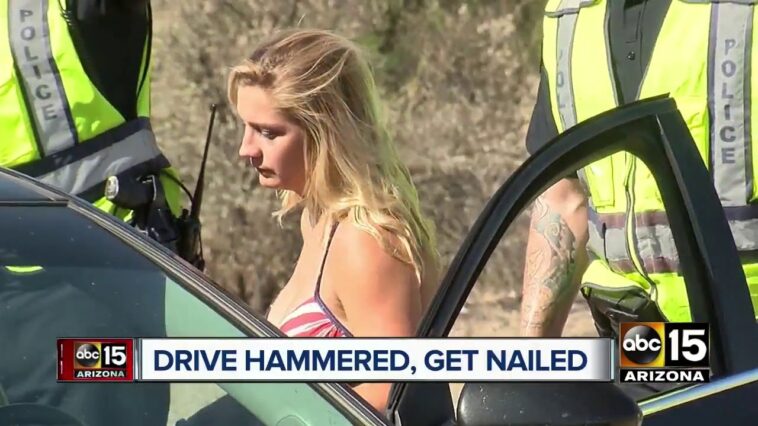
Law enforcement officers, working in coordination across jurisdictions, conducted a series of DUI stops at key locations near popular recreational sites. Their efforts—lauded by some as proactive yet questioned by others as overly aggressive—highlight both the benefits and the challenges of targeting impaired driving. This operation, which involved pulling over drivers along Power Road off Loop 202 and processing arrests in a designated parking lot under the Loop 202 overpass, reveals many of the tricky parts and tangled issues that are inherent in regulating personal behavior during times of heavy public celebration.
The Role of Local Law Enforcement in Preventing DUI
One critical aspect worth examining is the role local police play in preventing DUI incidents, especially in areas known for heavy traffic and festive recreational activities. This particular initiative near the Salt River not only aimed to protect intoxicated drivers and innocent bystanders but also reflected a broader legal commitment to reducing the risks associated with driving under the influence.
Local law enforcement agencies have, over the years, developed specialized DUI units that operate during holidays and community events. These units use designated checkpoints and processing areas to ensure that any driver suspected of being impaired is swiftly assessed and, if needed, detained. The operational tactics used in these cases, such as the temporary holding of drivers for further testing, demonstrate the careful balancing act between individual rights and community safety.
- Coordinated operations among different departments enhance efficiency.
- Designated processing areas streamline DUI arrest procedures.
- Public safety concerns are weighed against potential overreach.
These maneuvers, while necessary, are not without their vote of controversy. Critics argue that such operations may occasionally seem intimidating or nerve-racking for ordinary citizens. Yet, others maintain that the protective legal framework provided by law enforcement is essential—if not super important—in preventing potentially catastrophic outcomes on the road.
Legal Implications and Repercussions of DUI Offenses
From a legal perspective, DUI offenses are charged with a series of consequences that stretch from immediate custodial measures to long-term ramifications for the individual’s personal record. The process involved in apprehending a DUI offender is laden with several legal twists and turns, revealing much about the delicate intersection of public health concerns and legal rights.
At the heart of the legal discourse is the concept of presumed innocence versus the risk posed to public safety. When officers stop a driver and determine probable cause for DUI, they are essentially making a split-second legal judgment under circumstances that can feel overwhelming to both the subject and the officer themselves. Once apprehended, the arrested individual is subjected to a battery of tests—whether it’s a breathalyzer or a blood test—to determine their exact level of intoxication.
This sequence of events—beginning with the initial stop and ending with the laboratory confirmation of alcohol or drug levels—is fraught with confusing bits and complicated pieces. It is crucial that each step is not only handled with the utmost professionalism but is also legally defensible in court. In many ways, these operations are a literal race against time, employing rapid techniques while simultaneously ensuring that each individual’s rights are not infringed upon.
| Stage | Description | Legal Considerations |
|---|---|---|
| Initial Stop | Driver is pulled over after exhibiting signs of impairment. | Probable cause must be established. |
| Field Sobriety Tests | Quick tests conducted on the roadside to determine impairment. | Results must be clearly documented; tests must be administered impartially. |
| Processing Area | Driver is taken to a designated area for detailed testing. | All procedures are scrutinized to protect individual legal rights. |
| Lab Testing | Biological samples are tested to ascertain alcohol or drug levels. | Chain of custody and test accuracy are paramount. |
This table illustrates the many layers of legal rigour required at each stage of a DUI arrest. Every step, from the pull-over to the lab tests, demonstrates how law enforcement must dig into, or get into, the fine points of both procedure and evidence preservation. Without meticulous attention to legal detail, any DUI case can quickly become tangled in legal disputes over procedure and rights.
Community Safety and the Balance of Enforcement
While the legal ramifications are vital, community safety remains the primary concern for local authorities. Memorial Day, with its mix of celebration and heavy traffic, creates an environment where enhanced DUI enforcement can be both a life-saving measure and a source of public controversy.
Residents and visitors alike value the Salt River region not only for its recreational appeal but also for the promise of a peaceful day spent with family and friends. However, recent events have shown that the very factors that lure people into spending their day by the river—such as community festivities and the availability of alcohol—can quickly transform the area into a hotspot for dangerous behavior.
Speaking from the perspective of long-term public safety, the legal community has long recognized that the hidden complexities of DUI enforcement go beyond mere arrests. They involve social responsibility measures ranging from public education to the provision of alternative transportation options. It is often suggested that communities should adopt measures such as designated driver programs or ride-sharing collaborations to reduce the temptation for impaired driving in the first place.
Public Safety Measures: Suggestions and Alternatives
- Establish community-based ride-share partnerships on busy holiday weekends.
- Increase public awareness through local campaigns about the risks and legal consequences of DUI.
- Enhance police visibility and DUI checkpoints in high-risk areas.
- Create educational programs that demystify the legal process after DUI arrests.
Each of these suggestions carries its own set of challenges, including funding, logistics, and the ever-present need to strike a balance between enforcement and personal freedom. Nonetheless, these are the fine details that lawmakers must figure a path through in order to craft legislation that supports both public safety and individual rights.
DUI Enforcement: The Hidden Complexities and Impact
The operation near Salt River illustrates a broader issue: DUI enforcement is a full-of-problems process that is both legally and practically unpredictable. Although the primary objective is to mitigate risk on crowded roads during holiday weekends, the very act of enforcement is intertwined with a host of potential issues that might seem off-putting or even overwhelming.
Consider the following aspects that add to the tangled issues of DUI enforcement:
- Rapid Response vs. Due Process: Officers must make quick decisions under pressure, yet these decisions have lasting legal implications for the individuals involved.
- Public Perception and Trust: Aggressive enforcement measures can sometimes leave the public with the impression that law enforcement is more interested in numbing statistics rather than ensuring justice.
- Resource Allocation: DUI tasks require significant resources, which could otherwise be deployed for community outreach programs or proactive safety measures.
- Legal Accountability: Every officer involved in a DUI stop must be prepared to defend their actions in court, which can lead to cases being replete with disputes over procedure and rights.
These points reveal the reality that, although the operation at Salt River was effective in reducing impaired driving incidents, it simultaneously shined a light on some of the nerve-racking elements of current enforcement practices. The process is not simply about issuing tickets—it is a full-fledged legal ballet where every move must be carefully considered to uphold civil liberties, maintain public safety, and ensure that the legal procedures followed are robust enough to withstand any judicial challenge.
Working Through Procedure and Policy: The Fine Points of DUI Legislation
The legal community often has to dig into the subtle parts of DUI laws to appreciate both their power and their limitations. For example, the methods used for field sobriety testing, the reliance on immediate lab analyses, and the protocols for handling evidence in DUI cases are all subject to continuous scrutiny and improvement. Each method used by law enforcement is a complicated piece of a larger legal puzzle that must be aligned with constitutional safeguards and the rights of the suspects.
One practical way of understanding these procedures is by analyzing how evidence is collected, preserved, and presented in court. In many DUI cases, the process begins with the witnessing of erratic behavior, followed by a series of roadside tests. If the results of these tests indicate impairment, the suspect is taken to a secure location where more definitive tests are conducted. Any errors or oversights in this sequence can provide grounds for dismissal or reduction in charges, which underscores just how intimidating and nerve-racking the procedure can be for law enforcement officers tasked with the responsibility of upholding the law.
It is essential to note that each step in this process—while aimed at protecting the public—can also be interpreted as a potential overreach if not carefully monitored and regulated. Courts have often emphasized the need to find a balance between ensuring safety and respecting individual rights. In doing so, judges and legal professionals must work through many of the tricky, tangled, and even confusing bits of procedure to arrive at a verdict that stands up to scrutiny.
Insights from Legal Precedents
A look at legal precedents surrounding DUI enforcement reveals a pattern: while the law provides clear guidelines for conducting stops and tests, the real-world application of these guidelines is replete with subtle details and slight differences from case to case. Consider these examples:
- Case Studies:
- In one notable case, the reliability of field sobriety tests was questioned after inconsistencies in the method of administration were brought to light.
- In another, the chain of custody for breathalyzer samples was compromised due to procedural errors, leading to a dismissal of charges.
- Judicial Commentary:
- Court opinions often underscore the need to find your way through the fine details of evidence gathering, emphasizing that even small deviations from prescribed methods can have significant legal consequences.
- Judges have highlighted that while DUI enforcement is essential, any missteps in procedure can undermine public trust and the integrity of the legal system.
These cases illustrate the hidden complexities in DUI enforcement, reflecting a systematic challenge where every little twist matters in ensuring that justice is both served and seen to be served.
Public Perception and Societal Impact
Beyond legal procedures, the impact of aggressive DUI enforcement on public perception cannot be overstated. For many citizens, these operations serve as a stark reminder of the responsibilities that accompany freedom on the road. When high-profile operations, like the one near Salt River, result in numerous DUI arrests during peak holiday periods, the public response can be mixed.
On one hand, community members recognize the need for stringent actions to prevent impaired driving. Many appreciate the partners in law enforcement who work to ensure that everyone—drivers and pedestrians alike—can enjoy public spaces safely. On the other hand, there is a feeling among some members of the public that the measures are overly intrusive or even counterproductive. These sentiments usually arise from the perception that a blanket crackdown might punish minor, inadvertent mistakes rather than focusing on the truly dangerous offenders.
This tension between public safety and individual rights introduces a dynamic that is full of problems and on edge social challenges. The overall societal impact of such operations is therefore not just measured by the number of impaired drivers apprehended, but also by how communities view the fairness and effectiveness of the enforcement process. As local policymakers take into account both statistical success rates and public sentiment, they must work through a series of challenging legal and administrative decisions.
Community Feedback and Experiences
Consider the following perspectives from community members gathered during and after the enforcement operation:
- Local Resident’s Insight:
“It’s a pretty peaceful time. It’s very chill. You can just have a fun day with family and friends,” said one local resident, capturing the picturesque allure of the Salt River on a Memorial Day weekend. Yet, even this laid-back scenario is marred by the knowledge that a significant number of individuals end up taking dangerous risks by choosing to drive impaired.
- Visiting Perspective:
Visitors from other states, like California, sometimes weigh in by noting that while they understand the rationale, the visible presence of police and the process of random stops feel intimidating. “Why put other people in danger, you know?” one visitor remarked, summarizing a sentiment that many share but find difficult to express without seeming overly cautious.
These testimonials highlight a crucial reality: the approach to DUI enforcement is not merely a question of legal procedure but also one of social responsibility. Striking the right balance is a nerve-racking challenge, demanding sensitivity to public opinion while insisting on the importance of clear, enforceable laws that keep everyone safe.
Suggestions for Policy Reform and Public Awareness
Given the multifaceted nature of DUI enforcement and the array of issues it presents—from legal loopholes to public sentiment—it is clear that policy reform is a conversation that must include legal professionals, law enforcement, and the public alike. Several key areas warrant closer scrutiny and potential improvement:
Enhancing Enforcement Procedures
First, law enforcement agencies should consider adopting more refined protocols that address both the immediate need for safety and the long-term legal implications of DUI stops. Some suggestions to improve current procedures include:
-
Upgraded Training Programs:
Enhance officer training to better manage the rapidly evolving legal and practical aspects of DUI enforcement, focusing on the little twists that can make all the difference in upholding both safety and legal rights.
-
Standardization of Testing Methods:
Work towards greater consistency in administering field sobriety and laboratory tests, ensuring that any evidence gathered will withstand legal scrutiny and reduce the number of appeals or dismissals based on procedural errors.
-
Transparent Documentation Processes:
Implement state-of-the-art documentation techniques that provide a clear and tamper-proof record of every step in the DUI enforcement process. This transparency can help alleviate some of the public’s concerns regarding overreach and ensure that the “nitty-gritty” details of each case are fully accounted for.
Public Education and Preventative Measures
Second, public awareness campaigns can play a pivotal role in reducing the incidence of DUI. Education is key to helping citizens understand both the dangers of impaired driving and the legal responsibilities that accompany the use of roads. Government agencies, in partnership with law enforcement, can drive several initiatives aimed at disseminating information:
-
Community Workshops:
Host local events that educate drivers on the road safety laws and explain the legal procedures involved in DUI testing and arrests. These workshops could demystify the process, thus reducing the feeling of intimidation felt by many individuals.
-
Designated Driver Programs:
Promote community programs that encourage the use of designated drivers during holidays and large public gatherings. These initiatives not only reduce the risk of impaired driving but also strengthen the idea that public safety is a shared responsibility.
-
Strategic Partnerships:
Collaborate with ride-sharing services, taxi companies, and local businesses to offer incentives for alternative transportation options on nights with heavy drinking. In doing so, communities can provide a safer alternative, steering individuals away from the nerve-racking decision of driving under the influence.
Legislative Oversight and Accountability
Finally, a review of current DUI laws may be in order to ensure that they remain up to date with modern enforcement challenges. Legislative oversight, backed by ongoing research and community input, can help to maintain a legal framework that is both fair and robust. Some potential reforms to consider include:
-
Reviewing Penalties:
Examine the penalties associated with DUI offenses to ensure they are proportionate to the offense while still acting as a deterrent. It is important that the laws are not so harsh as to be off-putting, yet not so lenient that they fail to protect public safety.
-
Clarifying Legal Standards:
Establish clear guidelines on acceptable testing methods and the admissibility of evidence in DUI cases. By reducing the little details that often lead to judicial ambiguity, lawmakers can help ensure that the enforcement process is as consistent and fair as possible.
-
Establishing Oversight Committees:
Create independent bodies tasked with reviewing DUI enforcement operations. These committees can serve as a check on potential overreach, ensuring that law enforcement practices evolve in line with advances in legal thought and public expectations.
The Road Ahead: Balancing Legal Enforcement and Societal Needs
In reflecting on the DUI operations near Salt River, it becomes clear that the real challenge lies not just in making quick arrests but in working through a web of legal concerns and societal needs. The legal debate surrounding DUI enforcement involves both tactical law enforcement and strategic planning for community well-being. Each action taken by the police must be weighed against the potential legal fallout and the broader impact on public trust.
In addition to the immediate benefits of reducing impaired driving incidents, such operations spur important discussions about personal responsibility, legal due process, and the necessity of transparent government oversight. Each DUI enforcement operation, though focused on controlling immediate risks, lays the groundwork for longer-term legislative and educational initiatives that can help reduce the overall prevalence of impaired driving.
Legal professionals, policymakers, and community leaders must continue to work together to ensure that the measures designed to protect the public do not inadvertently infringe upon personal rights or create a climate of fear. By taking a closer look at each stage of the process—from the initial stop on a busy highway to the subsequent legal proceedings in court—it is possible to address even the smallest distinctions in procedure that might lead to larger issues down the road. The goal should be to create a system that is not only effective but also perceived as fair and just by everyone involved.
Key Takeaways for Future Enforcement Strategies
-
Comprehensive Training:
Invest in regular training sessions for officers to keep them updated on the fine shades of legal procedures and technological advances in DUI detection.
-
Community Partnership:
Engage local communities in dialogue about DUI enforcement strategies. Community input can prove invaluable in striking a balance between safety and personal freedom.
-
Policy Review Cycles:
Implement regular policy reviews to ensure that enforcement tactics align with the evolving legal landscape and public expectations.
-
Data-Driven Decisions:
Leverage data from enforcement operations to continuously improve procedures. Clear metrics can help public officials figure a path through the myriad challenges associated with DUI enforcement.
As this discussion unfolds in public and legal forums alike, it is clear that the battle against impaired driving is a multifaceted one. While high-visibility operations during holidays like Memorial Day are undoubtedly important, they are but one element of a broader strategy to safeguard our roads. Ultimately, the challenge lies in making informed decisions that account for both the legal nitty-gritty and the social cost of enforcement.
Conclusion: Striking a Balance for Safer Roads and Just Enforcement
The DUI crackdown near Salt River during Memorial Day is a compelling reminder of the intertwined nature of legal procedure and public safety. It exemplifies the tricky parts of law enforcement—each decision, each procedure, and each enforcement measure is loaded with potential pitfalls but also guided by the overarching need to protect community life. In recognizing the tensions between swift action and the protection of individual rights, we are reminded that the legal system must continually adapt to the ever-changing dynamics of public safety concerns.
By continuously reexamining our approaches to DUI enforcement—from improving training and enhancing public awareness to fine-tuning legislative measures—we can work through the subtle parts of public safety in a way that is both fair and effective. As the legal community, law enforcement agencies, and policymakers navigate these challenging waters, it is critical to maintain open communication and strive for clarity in every procedural step.
Ultimately, every DUI enforcement operation is more than just an isolated incident. It is a reflection of our societal values and a testament to the ongoing balance between individual freedoms and collective security. The operation near Salt River is a call to action: a reminder that while enforcement must remain strict to deter dangerous behavior, it must also be carried out in a manner that respects the legal rights of all individuals involved.
Looking forward, we must continue to dig into the little details, steer through the hidden complexities, and work on untangling the confusing bits of the DUI enforcement process. Only then can we achieve a system that is both effective in protecting public safety and just in its treatment of individuals, ensuring that every citizen can enjoy both the celebrations of holiday weekends and the fundamental rights guaranteed by law.
Originally Post From https://www.abc15.com/news/local-news/east-valley-police-units-crack-down-on-duis-near-salt-river-on-memorial-day
Read more about this topic at
State police announce holiday DUI checkpoints
State police announce holiday DUI checkpoints