
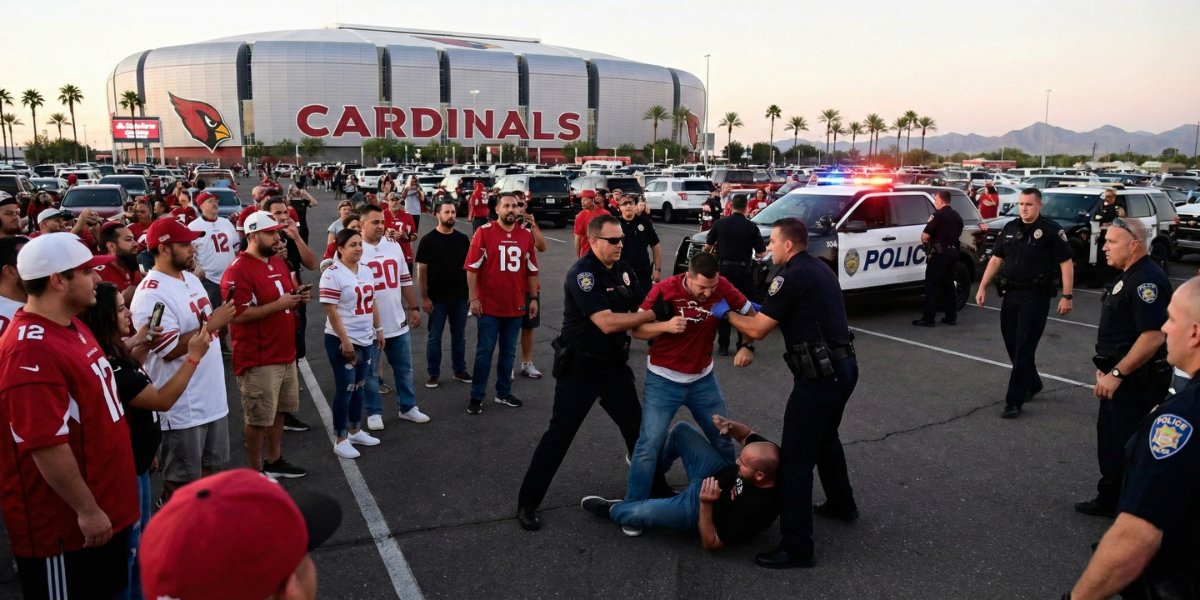
Aggravated Assault at Arizona Sporting Events: A Closer Look
Large sporting events in Arizona are a source of excitement, community spirit, and, sometimes, unexpected legal entanglements. Whether it’s a high-stakes Cardinals game in Glendale, a Suns playoff shootout in Phoenix, or a heated college rivalry in Tempe, these events bring people together in a charged atmosphere. However, when emotions run high and alcohol is in the mix, what might begin as a minor disagreement can quickly spiral into serious criminal charges. This opinion editorial examines the legal processes, the tricky parts of assault definitions, and the potential for a misdemeanor altercation to transform into a felony charge.
In today’s commentary, we will take a closer look at the legal definitions under Arizona law, explore scenarios that can lead to aggravated assault, and discuss the role of legal representation when conflicts turn into criminal cases. By breaking down the legal framework and the key factors that influence charges, this article aims to help readers understand the little details that matter in these cases.
Understanding Simple Assault: The Legal Background
Arizona’s legal provisions for assault are set forth in ARS 13-1203, which defines what constitutes a simple assault. Under this statute, a person commits assault if they intentionally, knowingly, or recklessly cause physical injury to another or if their actions instill a reasonable fear of imminent harm. The statute also covers instances of unwanted physical contact intended to provoke or insult. Although these acts are usually charged as misdemeanors, even a seemingly minor incident can have far-reaching consequences.
Let’s look at some of the tricky parts of simple assault:
- Intentional or knowing physical contact
- Reckless behavior that results in harm
- Incidents that cause another person to fear immediate physical injury
It is this basic framework that underpins many cases at large sporting venues, where even a minor shove or a misinterpreted gesture could lead to police involvement. For instance, a heated argument at a tailgate party might result in a charge that, on its face, appears minor yet can escalate with time and scrutiny.
From Misdemeanor to Felony: When Assault Escalates
The law in Arizona is clear that simple assault can be elevated to aggravated assault when certain conditions are met. Aggravated assault, delineated in ARS 13-1204, factors in the severity of the injury, the use of dangerous instruments, and whether the assault was committed on a protected individual or in specific circumstances such as during a break-in. Essentially, what may start as a misdemeanor can quickly morph into a felony if the attack results in serious physical damage or involves a potentially lethal object.
This transformation from a misdemeanor to a felony represents one of the more intimidating twists and turns in assault law. The elevation is not arbitrary but is based on criteria that include:
- Causing serious, long-term physical injury
- Using objects that are readily capable of causing death or severe injury
- Targeting individuals who are performing official duties, such as police officers or security personnel
- Assaulting someone who is particularly vulnerable or restrained
The consequences of an aggravated assault charge are substantial, leading to severe penalties and long-term impacts on an individual’s future.
Factors That Can Intensify an Altercation
Certain factors are critical in converting a simple altercation into a felony offense. Here are the most common aggravating factors that can intensify a case:
- Serious Physical Injury: As defined by ARS 13-105, injuries that carry a substantial risk of death, result in permanent disfigurement, or cause prolonged impairment of body parts are key parameters in upgrading the charge.
- Use of a Dangerous Instrument: Everyday objects such as beer bottles, folding chairs, or even vehicles can be categorized as dangerous instruments if they are used in a manner that is likely to cause severe harm.
- Vulnerability and Official Status: The law looks closely at assaults committed against those who are on duty, including police officers and other public servants. Assaults on these individuals are subject to more severe charges due to the protected status they enjoy.
- Location and Context: Incidents that take place in highly charged environments, such as crowded parking lots or bar entrances at sporting events, are more likely to be scrutinized under the aggravated assault umbrella.
Each of these factors not only plays into the severity of the charge but also significantly affects the legal strategies used in court.
Real World Examples from Arizona Sporting Events
The transition from a minor scuffle to a felony assault is not purely theoretical. There have been numerous instances in Arizona where emotional responses at sporting events have led to life-altering legal challenges. Consider the following examples:
| Scenario | Description | Legal Outcome |
|---|---|---|
| Parking Lot Altercation at a College Game | Two fans involved in a heated argument over parking spots end up in a physical struggle. A push results in one fan striking his head against a hard surface, leading to a significant head injury. | The minor incident was escalated to a felony aggravated assault charge under ARS 13-1204 due to evidence of serious injury. |
| Bar Fight Post-Playoff Game | After an intense playoff game in downtown Phoenix, a fight breaks out in a local bar. One individual uses a bar stool as a weapon, causing deep lacerations to another. | Due to the use of a dangerous instrument, the defendant faced charges classified as a class 3 felony. |
These cases exemplify how quickly disputes can escalate in environments loaded with tension. In many instances, the line between a minor misdemeanor and a felony becomes blurred, particularly when everyday objects become instruments of violence.
Penalties for a Felony Aggravated Assault in Arizona
The penalties for aggravated assault in Arizona are designed to be severe. Because aggravated assault is always classified as a felony, the potential prison time and fines reflect the serious nature of the offense. The sentence depends largely on the class of the felony, the extent of the injury, and whether the defendant has prior convictions.
Below is an overview of some typical penalties based on the class of felony:
| Felony Class | Typical Circumstances | Prison Sentence (First Offense) | Relevant Statutes |
|---|---|---|---|
| Class 2 Felony | Cases involving serious physical injury or the use of a deadly weapon. | 7 to 21 years | ARS 13-1204(A)(1), ARS 13-704 |
| Class 3 Felony | Cases resulting in temporary but substantial disfigurement. | 5 to 15 years | ARS 13-1204(A)(3), ARS 13-702 |
| Class 4 Felony | Assault on a peace officer or a protected victim. | 4 to 8 years | ARS 13-1204(A)(8) |
| Class 6 Felony | Cases with less severe aggravating factors. | 1 to 2.5 years | ARS 13-1204(B) |
In addition to prison time, individuals convicted of a felony aggravated assault may face substantial fines, probation, restitution orders, and even permanent loss of firearm rights. For repeat offenders, sentencing can become even more intimidating, with enhanced penalties imposed under ARS 13-706 in the case of serious or violent felonies. It is these potential outcomes that highlight the importance of understanding the small distinctions in each case.
Defense Strategies: Finding the Right Path
When confronted with a felony charge, especially one stemming from a sporting event incident, having a clear and well-planned defense strategy is critical. A few common strategies have proven effective in these cases:
- Self-Defense or Defense of Others: Arizona law permits the use of reasonable force in situations where there is an immediate threat of harm. If you can demonstrate that your actions were necessary to protect yourself or someone else, this can serve as a strong mitigating factor.
- Lack of Intent: Aggravated assault charges often hinge on whether the act was intentional or knowing. If a defendant can show that the incident was accidental or that there was no intent to cause severe injury, the charge may be reduced in severity.
- Questioning the Extent of Injury: The nature of the injury is a critical piece of evidence. Engaging medical experts to challenge whether an injury truly meets the legal threshold of “serious” can sometimes result in lower charges.
- Disputing the Dangerous Instrument Allegation: Not every object used during a fight qualifies as a dangerous instrument. The context in which an object was used and the specific circumstances can be key in determining its legal classification.
- Arguing Constitutional Violations: If law enforcement violated a defendant’s Fourth Amendment rights during the arrest or evidence collection, key evidence may be suppressed, which could weaken the prosecution’s case.
Each of these strategies requires a deep dive into the fine points of the case. It involves getting into the nitty-gritty of police reports, surveillance footage, and eyewitness testimonies while working with professionals who understand the hidden complexities of the law.
Challenges in Proving Dangerous Instrument Use
One of the most nerve-racking aspects of assault cases at sporting events is the challenge of proving that an everyday object was used as a dangerous instrument. In an environment bustling with activity, objects such as bottles, chairs, or even vehicles can be reinterpreted under the law. Determining whether an object qualifies as dangerous is inherently complicated and depends heavily on contextual evidence.
In many cases, the defense will argue that the object in question was not used in a way that was intended to inflict severe injury and that, under the circumstances, it should not be classified as a deadly weapon. Factors considered include:
- How the object was handled during the altercation
- The intent behind its use
- Whether there was any prior indication that the object might be used to cause harm
The careful analysis of these details is essential in either reducing a charge from a felony to a misdemeanor or in obtaining favorable plea negotiations.
The Role of Legal Representation in High Tension Sporting Events
When an incident at a high-energy sporting event escalates into legal trouble, having the right legal counsel is more than just an advantage—it’s critical. Experienced defense attorneys who have worked on both sides of the courtroom can offer unique perspectives and strategies. Their ability to get around tricky bits in evidence presentation and to figure a path through the maze of statutory language often makes the difference between a conviction and a reduced charge.
These legal professionals are well-versed in the subtle details and complicated pieces of assault law. They understand that incidents occurring in crowded venues are often full of problems due to conflicting witness statements and incomplete surveillance footage. A seasoned attorney can help:
- Collect and analyze evidence before critical decisions are made
- Interview witnesses with the goal of establishing the true sequence of events
- Prepare a defense strategy that is tailored to the specific facts of the case
- Negotiate with the prosecution to potentially reduce charges or seek alternative resolutions
For individuals facing charges stemming from sporting events, early engagement with a knowledgeable attorney is super important. It ensures that every piece of evidence is examined, and every potential weakness in the prosecution’s case is exploited.
Implications for the Community and the Legal Landscape
The trend of assault charges escalating into felony counts, especially in the context of sporting events, has wider implications on both the community and the legal system. Febrile passions combined with intoxication create an environment where the outcomes of disputes are unpredictable, and the legal system must adapt quickly. The social impact is significant: the threat of severe penalties may deter individuals from engaging in otherwise ordinary disputes, and at the same time, it raises concerns about the fairness of transforming minor physical altercations into life-altering felony charges.
From a societal perspective, it is important to balance the need for public safety with ensuring that individuals are not penalized excessively for actions that, while unfortunate, may have been misinterpreted or escalated due to a series of misunderstandings. Legal systems across the nation are continually trying to find a middle ground where both the victims and the accused receive justice that is proportionate to the actions taken.
This balancing act is particularly challenging in cases that occur in tense, public settings. The quick decisions made by police officers and the rapid filing of charges by district attorneys often do not allow time for a measured assessment of the situation. Instead, charges may be based on the initial appearance of severity rather than a comprehensive evaluation of intent and context.
Sorting Out Evidence in Chaotic Environments
Another challenging aspect of assault cases arising from sporting events is the collection and interpretation of evidence in environments that are inherently chaotic. Crowded parking lots, busy bars, and stadiums with poor lighting or limited surveillance can complicate the process of pinpointing what truly happened during an altercation.
Defense teams often need to pick through layers of confusing bits of evidence—from contradictory witness testimonies to partial video footage—in order to establish a coherent narrative that supports their client’s version of events. This is a full-scale endeavor, requiring:
- A methodical review of all available surveillance and audio recordings
- Technical analysis of the video quality to pinpoint crucial moments
- Obtaining expert testimony on both the physical and behavioral aspects of the incident
In many cases, this detailed scrutiny can reveal subtle distinctions that might not be obvious at first glance but are key to constructing an effective defense.
Taking a Closer Look at Prevention and Education
Beyond the courtroom, these events also highlight the importance of prevention and education. The legal repercussions serve as a stark reminder that even ordinary individuals can find themselves facing severe charges if conflicts are not managed carefully. Event organizers, security officials, and local authorities bear a shared responsibility to ensure that the environment is as safe as possible, thereby reducing the risk of incidents escalating to the point of legal action.
Some preventive measures include:
- Enhanced security measures and controlled access to high-risk areas
- Clear guidelines for behavior and consequences for violent actions communicated to attendees
- Training for staff on how to de-escalate potentially tense situations
- Collaboration between law enforcement and event organizers to monitor and respond to early warning signs
By educating the public about the risks and outlining practical measures to manage conflicts, communities can work together to create safer environments where the risk of life-altering legal consequences is diminished.
Conclusion: Finding a Balance in a High-Stakes Environment
The world of sporting events in Arizona is a vibrant one, filled with passionate fans and high energy. However, the transformation of a minor scuffle into a felony charge underlines the importance of understanding the legal processes at play. From the subtle parts of simple assault under ARS 13-1203 to the more complicated pieces that elevate a case to aggravated assault under ARS 13-1204, every incident is unique and steeped in fine shades of context.
Navigating this maze of legal definitions, potential charges, and penalties is full of challenges. It is essential for those involved to seek knowledgeable legal advice early on—not only to protect their rights but also to help ensure that justice is proportionate to the conduct in question. Whether it is through challenging the evidence that portrays a common object as a deadly weapon or by proving that a situation was misinterpreted, diligent legal representation can make a significant difference.
At the intersection of high-energy sports and the law, the stakes are incredibly high. A night of excitement can swiftly turn nerve-racking when an unexpected incident takes place. Ultimately, the impact is far-reaching: it affects the individuals involved, their careers, reputations, and the broader understanding of what constitutes appropriate responses in public settings.
As a community and within the legal landscape, it is super important to take a closer look at these cases and work collectively toward solutions that prevent disproportionate charges while still upholding public safety. Ultimately, balancing preventive measures and fair legal treatment represents the best way forward in an environment where emotions run high and the potential for escalation is always present.
In closing, while sporting events continue to offer a much-needed outlet for community bond and entertainment, they also remind us that the legal system is ever-watchful, ready to intervene when a minor incident takes an unexpected turn. Awareness, education, and proactive legal guidance are key to ensuring that every person is on a fair footing when dealing with the twists and turns of assault law in Arizona.
By understanding the small distinctions between a simple act and a felony charge, we not only help protect individual rights but also contribute to a more balanced and thoughtful judicial process—one where every nuance is considered and justice is truly served.
Read more about this topic at https://azcriminalandfamilylaw.com/aggravated-assault-in-arizona-at-large-sporting-events/
Related articles you might like
Aggravated Assault At A Youth Sporting Event
Assault At A Youth Sports Event
"High-quality editorial rigor remains the essential compass navigating global complexity and market volatility."

Editor
Senior Staff Editor & Columnist covering technology, finance, and global policy at NewsMax Pro.
View All Articles By Editor →Related Coverage & Stories

Arizona Assault Charges Simple Vs Aggravated
An Opinion Editorial on Assault Charges in Arizona: Simple Versus Aggravated In Arizona, the legal system’s way of handling assault cases is…

Modifying Your Parenting Plan in Arizona
Modifying Parenting Plans in Arizona: A Closer Look at the Process and Its Challenges Arizona’s family law landscape is filled with twists…

Divorce Impact on Green Card and Immigration
Reflections on the Current State of Law in a Changing World The legal system occupies an essential role in society, continuously shaped…