
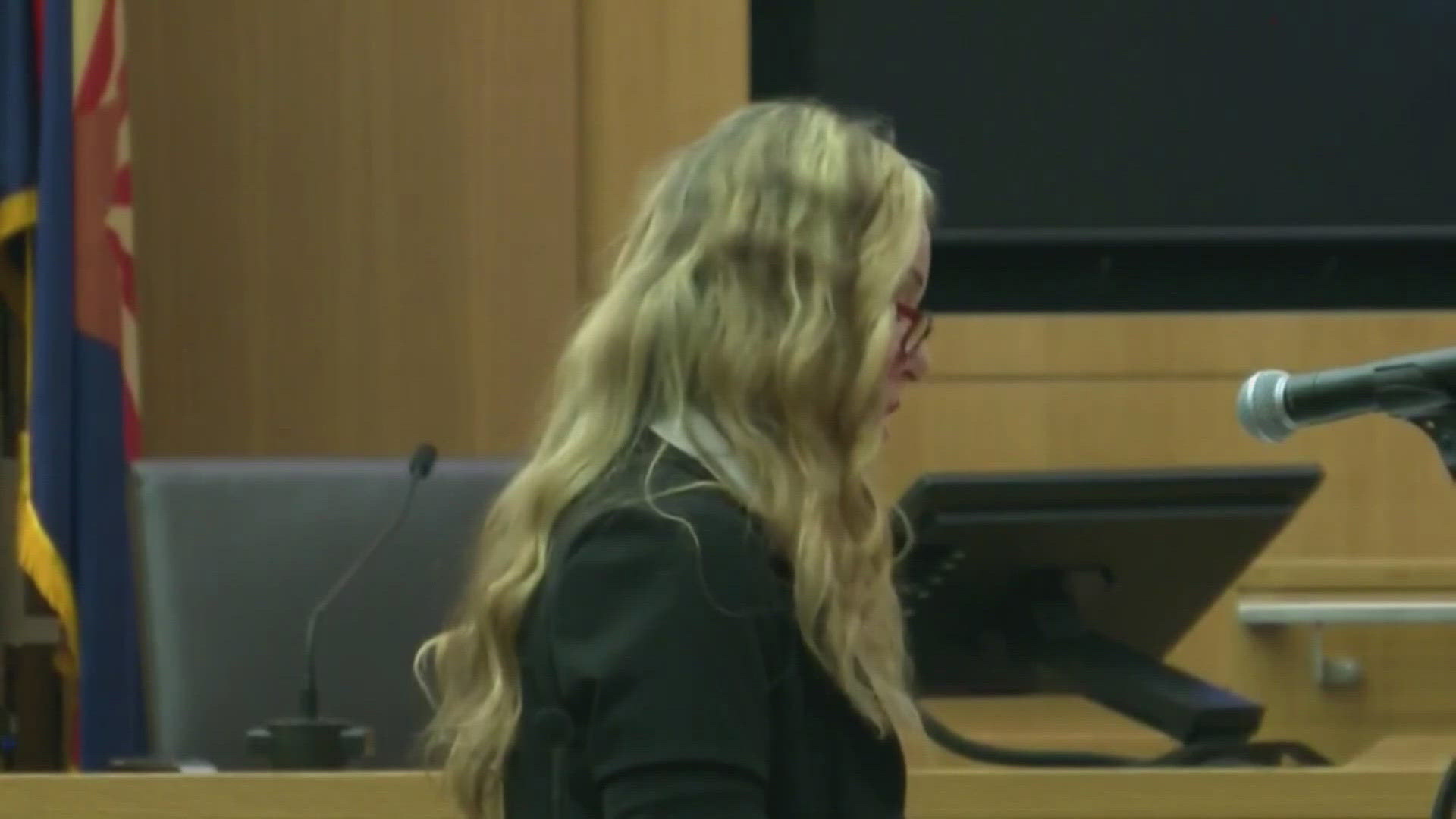
Digital Evidence Unpacked: A Look at the Trial of Lori Vallow Daybell
The recent trial of Lori Vallow Daybell in Maricopa County, Arizona, has captured the attention of legal observers nationwide. In a case full of tangled issues and nerve-racking moments, the courtroom has become a stage where the modern challenges of digital evidence meet traditional legal methods. This opinion editorial takes a closer look at how digital footprints and cellphone records are being used to build cases, and it examines the role of expert testimony in managing the fine points of technology in the courtroom.
By carefully reviewing the detailed timeline of testimony and evidence presented during the trial, we can get into the subtle parts of how cell-phone records, GPS data, and even Google location history are playing a key role in modern criminal cases. Legal professionals and interested citizens alike are witnessing a blend of technology and law that is as complicated as it is essential.
Examining Digital Footprints in Criminal Proceedings
In today’s digital age, the ways in which cell towers, GPS signals, and online data are used in courtrooms can often seem overwhelming and off-putting. The trial of Lori Vallow Daybell is a prime example of these tricky parts of how technology impacts legal cases. Experts have taken a deep dive into cell-phone records to provide the jury with visual maps and data charts that piece together the movements of multiple devices over several days.
This analysis involves:
- Tracking phone calls and communications between devices.
- Comparing location history from Google service records.
- Examining towers and sectors to determine where a phone was used.
- Producing timelines to connect specific movements with key moments in the case.
Each piece of data is a small twist or turn in the technical narrative that the prosecution hopes will help the jury figure a path to understanding whether these movements support the allegations made against Daybell.
Understanding the Role of Cell Tower Analysis
One of the more nerve-racking parts of the trial has been the detailed examination of cell tower data. Expert witnesses have had to get around the confusing bits of interpreting how cell signals work, explaining that each tower typically covers a sector of the area—with overlapping regions that can pinpoint movement with startling precision.
For example, the expert testimony broke down key segments of the timeline, explaining:
- How a phone connected to different towers while in transit.
- The effect of a phone being stationary versus moving on the quality and consistency of the location data.
- The challenges of relying on Google location history if location services are not active.
This is far from a simple matter. It involves several tricky parts, such as determining whether a phone was actually moving or merely left in a static location. The expert explained that, if a phone does not show movement, it could be because the device was turned off or because the location settings were not enabled. These explanations, though technical, are a vital part of ensuring that the jury can understand how seemingly abstract digital evidence relates directly to the facts of the case.
Cell Phone Records and Digital Mapping: A Timeline of Events
Throughout the trial, the presentation of digital maps and timelines has been a focal point. In this case, the prosecution presented a variety of maps depicting the journeys of different devices, including those associated with Lori Vallow Daybell and other key individuals. These maps are laden with the fine details that reveal the hidden complexities of digital tracking.
A simplified timeline of events includes:
| Time (Local) | Event | Device/Action |
|---|---|---|
| 9:13 a.m. | Shooting Occurrence | TracFone near Brandon Boudreaux’s residence |
| 10:06 a.m. | Introduction of Expert Witness | Nicholas Ballance, FBI analyst |
| 11:15 a.m. | Cell Tower Data Slide Presented | Mapping of TracFone moving in Arizona |
| 12:03 p.m. | Witness Concludes Testimony | Ending of questioning, announcement of lunch recess |
This table is a condensed version of a much more detailed timeline shared during the trial, one that includes numerous phone calls, location transfers, and cross-referenced mappings. It is a clear illustration of how digital evidence is not only technical but also pivotal in shaping the narrative of the case.
Expert Testimony: Making Sense of Digital Data
Expert witnesses like FBI analyst Nicholas Ballance are super important in cases filled with small distinctions that can change the direction of the trial. In his testimony, Ballance walked the jury through how cell-phone activity is recorded, how cell towers work, and why GPS data from devices can sometimes be misleading. His explanations have provided insight into:
- How Google location history works when multiple devices are linked to a single account.
- The different behaviors of a phone that is in motion versus one that is not.
- The reliability of data gathered from both the phone company and from direct device interrogations.
This detailed explanation helps demystify the nerve-racking aspects of digital tracking, showing that modern technology in the courtroom is far from a black box. Instead, it is a carefully managed process that involves corroborating evidence from multiple sources, which can help steer through the twists and turns of the case.
Assessing Digital Testimony and Its Wider Implications
The use of digital evidence in the courtroom brings up several questions about reliability and interpretation. While these data points can offer compelling insights, they are also full of problems that require careful explanation. During the trial, both the prosecution and defense had to work through the challenging bits of cell tower mappings and location histories to show whether the digital footprints linked directly to key events.
When assessing digital testimony, here are some of the issues that often arise:
- Data Authenticity: The question of whether records have been modified or if they truly represent the movement of a person or device.
- Technical Limitations: The reliability of digital location data when services like GPS or Google location history are not activated consistently.
- Interpretation Challenges: The difficulty in linking a recorded location to a specific action, especially when the evidence is presented in a technical manner.
Each of these points shows how complex it can be to piece together the fine points of digital evidence. The jury needs to be guided through these subtle details without getting lost in the nitty-gritty of technological language. As observers, we must appreciate how expert witnesses perform the critical task of translating technical data into a narrative that can be understood by people without specialized skills in digital forensics.
Expert Digital Mapping in Modern Prosecutions
One long-tail keyword area that has emerged in discussions about this trial is “digital mapping in criminal investigations.” This area deals with how the trajectory and communication history of cell phones can lead to insight about an individual’s movements. Expert witnesses have explained that while digital maps can be very useful, they are also subject to a multitude of factors, such as:
- The phone’s connection (or lack thereof) to Wi-Fi.
- The activation status of location-sharing features.
- The density and placement of local cell towers.
It is crucial to note that even though digital mapping offers a high degree of precision, the data is still riddled with tension over interpretation. For instance, a phone that appears to be in two places in quick succession may either be shifting location rapidly or might be showing errors due to poor signal or inadequately configured location settings. The jury’s challenge is to figure a path through these digital riddles to determine if the evidence supports the prosecution’s line of argument.
Legal Ramifications of Digital Evidence
The use of digital evidence, especially in a case this complicated, carries legal ramifications that extend beyond the immediate trial. The reliance on phone records, location histories, and the careful mapping of communications can reshape how future cases are handled. In many respects, our legal system is working through the tangled issues that arise from digital data processing.
Some critical points to consider include:
- Precedent Setting: How the acceptance of digital evidence in this trial may influence future cases involving technology.
- Privacy Concerns: The balance between employing digital data for public safety and protecting individual privacy.
- Evidentiary Standards: The need for robust standards that determine how digital evidence is collected, preserved, and presented.
These legal ramifications are a reminder that our system must continually evolve to account for the added layer of complexity introduced by modern technology. As experts get into the subtle parts of digital evidence, it becomes clear that the legal community is tasked with developing rules that respect both innovation and the rights of the accused.
Balancing Technological Data and Traditional Evidence
In many ways, this trial highlights the challenges of balancing technological data with more traditional forms of evidence, such as eyewitness testimony or physical evidence. Both sides of the case are working hard to ensure that every piece of evidence is given its due weight and that any discrepancies are carefully examined.
In the context of Lori Vallow Daybell’s trial, we see a deliberate effort to:
- Present detailed timelines that combine digital and physical clues.
- Use visual aids and maps to help the jury understand the difficult bits of digital tracking.
- Discuss expert testimony that clarifies how devices record and transmit data.
- Address potential discrepancies between digital records and physical evidence.
This synthesis requires both sides to work through a series of confusing bits and small distinctions that can drastically alter the interpretation of the available evidence. Whether the prosecution’s narrative is ultimately persuasive will depend on how well they can make this technological data accessible to jurors, who are tasked with sorting out the many layers of information.
Comparing Digital and Physical Witness Accounts
While digital data provides a seemingly objective record of events, it does not exist in a vacuum. Physical witness accounts, security camera footage, and traditional forms of evidence all come into play to either corroborate or challenge the digital narrative. This interplay is one of the most interesting, yet intimidating, aspects of modern trials.
For instance, consider these points:
- Digital records can confirm the time and general location of a phone call or movement, but they do not always clearly indicate who was handling the device at that moment.
- Eyewitness testimony might fill in the gaps by providing context to the digital data, yet personal recollections can be full of problems, prone to memory errors or bias.
- Security camera footage and physical evidence often provide corroboration, lending additional weight to the digital evidence when both are consistent.
Ultimately, it is the combination of these evidence types that gives the jury the best shot at painting a complete picture. The integration of digital evidence with traditional methods requires a careful balancing act, one that demands legal clarity and precise communication from expert witnesses.
A Closer Look at the Jury’s Role in Digital Cases
The influence of digital evidence on the jury’s ability to reach a fair verdict cannot be overstated. The jury must figure out the hidden complexities within a mixed bag of digital data, technical charts, and expert testimony. Their task is made more challenging by the fact that digital evidence is often presented in highly technical language with multiple subtle details that require close attention.
Key aspects of the jury’s role include:
- Interpreting data provided by cell tower and location analyses in a clear, unbiased manner.
- Distinguishing between accurate digital records and evidence that might be subject to errors or technical glitches.
- Relying on expert testimony to sort out the complicated pieces that form the digital narrative.
This process is both intricate and critical. Jurors need to absorb technical details, but also see the broader picture that these details form. The challenge of making sense of digital mapping and GPS evidence is not just a technical one—it is a foundational part of how modern judicial processes are evolving.
Weighing the Impact: The Psychological Effect of Digital Evidence
While the technical merits of digital evidence are widely discussed, its psychological impact on the jury is another important factor. Many jurors, coming from non-technical backgrounds, may find themselves intimidated by the overwhelming volume of digital data and the nerve-racking pace at which it is presented.
Some aspects of this psychological effect include:
- Overload of Information: A continuous stream of maps, timelines, and technical jargon can make it hard to separate the important bits from the confusing bits.
- Reliance on Visual Aids: Images and tables help break down data into digestible pieces, allowing jurors to visually track movements and correlations.
- Expert Credibility: When an expert clearly explains the method behind digital tracking, it can alleviate some of the overwhelm and help jurors feel more confident in their interpretations.
The jury’s ability to manage this blend of fears, uncertainties, and factual data is crucial to the success of both the prosecution and the defense. Ultimately, the psychological pressure placed on jurors by the digital narrative might be as influential as the raw facts themselves.
Digital Evidence and the Broader Legal Landscape
The implications of this trial extend far beyond the immediate case. The increasing reliance on digital evidence signals a significant shift in how crimes are investigated and prosecuted. It is a trend that legal professionals and law enforcement are still working through, and it offers a glimpse into the future of courtroom technology.
Some broader issues that have come to light include:
- The need for improved standards in collecting and preserving digital data so that it retains its integrity over time.
- Questions about privacy rights versus the need for precise digital tracking in criminal investigations.
- The growing importance of expert testimony in providing context and clarity in cases that feature so many technical twists and turns.
In many respects, cases like these force lawmakers to revisit and update protocols that were originally designed for a pre-digital era. The legal system must now learn to steer through this new terrain, balancing modern investigative methods with the age-old principles of fairness and due process.
Lessons Learned and the Road Ahead
There are several key takeaways from the trial proceedings involving Lori Vallow Daybell, particularly for those interested in the intersection of technology and law:
- Clear Communication is Essential: Expert witnesses must break down the technical details into everyday language. This allows jurors to figure a path through the complicated pieces of digital evidence without getting lost in technical jargon.
- Reliability of Technology: Both the prosecution and defense are keenly aware that digital evidence, while powerful, is also subject to technical glitches and interpretation errors. Establishing a robust, transparent chain of custody for such evidence remains super important.
- Need for Ongoing Education: The legal community must continuously update its understanding of modern technology, ensuring that judges, lawyers, and jurors alike can make informed decisions based on accurate interpretations of digital data.
- Balancing Privacy and Public Interest: An ongoing debate remains on how to ensure that the use of digital evidence in legal contexts does not infringe on individual privacy rights. This debate underscores the importance of updating both legal standards and technological protocols.
The trial is a microcosm of a larger transformation in the legal system—a shift that requires all parties involved to work through the tangled issues that arise when traditional law meets modern technology. The path forward is not always clear, but it is essential for maintaining both justice and public confidence in the legal system.
Looking Forward: Evolving Standards in Digital Forensics
As digital evidence becomes more central to criminal investigations, we can expect to see a continued evolution in the standards and practices of digital forensics. The current trial is likely just one of many that will shape how courts interpret and use technology in future proceedings. Among the emerging trends are:
- Standardization of Evidence Collection: Developing consistent methods for collecting, storing, and analyzing digital evidence so that it is less prone to errors.
- Enhancement of Expert Training: Ensuring that those who testify about digital evidence are well-versed not only in technology but also in communicating its meaning to non-experts.
- Interdisciplinary Collaboration: Bringing together professionals from law enforcement, technology, and legal academia to build frameworks that clarify the scale and scope of digital evidence.
This forward-looking approach recognizes that technology does not stand still. Just as digital mapping and tracking have advanced significantly in the past decade, so too must the legal framework adapt to these changes. Working through the fine shades of digital data will require ongoing collaboration between technologists and legal professionals—an effort that is both essential and, at times, intimidating.
Conclusion: The Intersection of Law and Technology
The ongoing trial of Lori Vallow Daybell illustrates, in many ways, the challenges and opportunities that arise when modern technology intersects with decades-old legal processes. Digital evidence—from intricate cell tower mappings to detailed Google location history—has become a staple in serious criminal cases, providing key insights that were once thought impossible. However, with these advantages come a number of confusing bits that require careful explanation and interpretation.
As legal professionals work through the overwhelming details of digital forensics, one thing is crystal clear: the trial is not just about establishing guilt or innocence, but about setting new legal precedents in an era where data is king. Jurors are faced with the demanding task of making sense of technical testimony, while attorneys and judges strive to create a fair process that respects both the power of modern evidence and the historical safeguards of our judicial system.
Moving forward, it is super important for the legal community to continue evolving its practices to accommodate the rapid pace of technological change. This means developing clear channels for the admissibility, interpretation, and verification of digital data, as well as investing in training for everyone from local law enforcement officers to seasoned attorneys. The lessons learned from Lori Vallow Daybell’s trial will likely inform many of these changes, influencing how digital evidence is managed in future cases.
Ultimately, the transition into this new era of law is a journey full of twists and turns. The detailed maps, timelines, and technical presentations seen in courtrooms today are the building blocks for a more informed and just legal system. They provide a glimpse into a future where the line between digital data and legal evidence is increasingly blurred—a future that demands constant vigilance, ongoing education, and a commitment to fairness and transparency.
In conclusion, while the digital age brings many complicated pieces and intimidating challenges to the courtroom, it also opens up avenues for more accurate and comprehensive truth-finding. As we continue to adapt to these changes, it remains clear that law and technology must work in tandem—forged together by expert testimony, thorough analysis, and a profound commitment by legal professionals to ensure justice is served in even the most complex of cases.
Originally Post From https://www.eastidahonews.com/2025/06/live-updates-final-prosecution-witness-testifying-on-day-5-of-lori-vallow-daybells-arizona-trial/
Read more about this topic at
Advanced Mapping Tools for Digital Forensics
Digital Evidence Management: The Definitive Guide
"High-quality editorial rigor remains the essential compass navigating global complexity and market volatility."

Editor
Senior Staff Editor & Columnist covering technology, finance, and global policy at NewsMax Pro.
View All Articles By Editor →Related Coverage & Stories
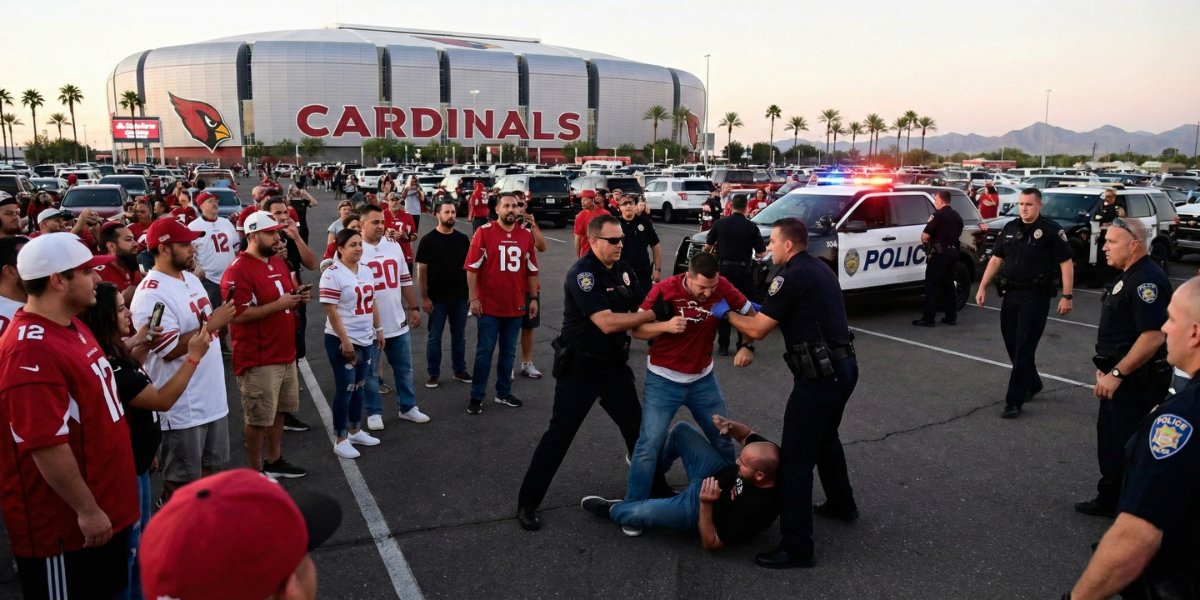
Arizona Sports Assault from Misdemeanor to Felony
Aggravated Assault at Arizona Sporting Events: A Closer Look Large sporting events in Arizona are a source of excitement, community spirit, and,…

Arizona Assault Charges Simple Vs Aggravated
An Opinion Editorial on Assault Charges in Arizona: Simple Versus Aggravated In Arizona, the legal system’s way of handling assault cases is…

Modifying Your Parenting Plan in Arizona
Modifying Parenting Plans in Arizona: A Closer Look at the Process and Its Challenges Arizona’s family law landscape is filled with twists…