
Analyzing the Chandler Freeway Crash: Legal and Safety Perspectives
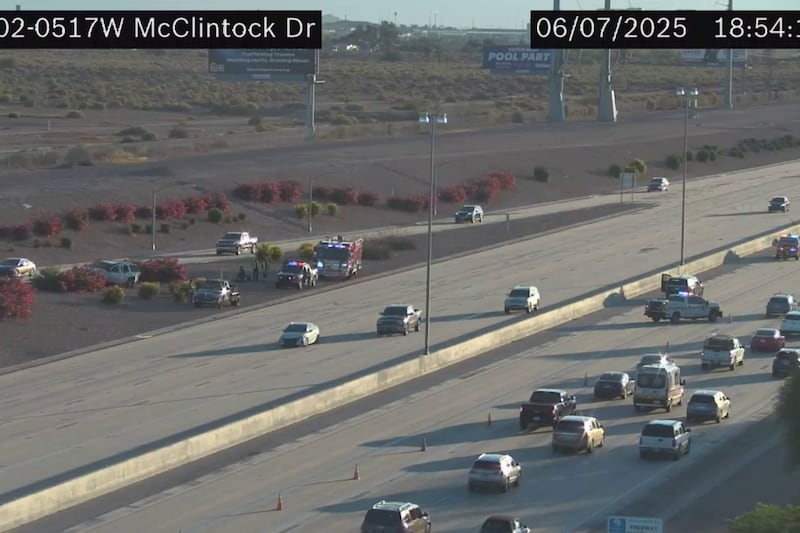
The recent reopening of a portion of Loop 202 in Chandler following a deadly crash invites us to take a closer look at the tangled issues surrounding highway safety and legal accountability. The incident, occurring on a busy East Valley freeway, raises tricky questions about public safety, emergency response procedures, and the fine points of legal liability in fatal traffic accidents.
While details remain limited and the victim’s information has yet to be disclosed, this event offers an opportunity to examine how law enforcement and regulatory authorities manage the challenges that arise when tragedy strikes on our roadways. In this opinion editorial, we will dig into the legal framework governing such incidents, the subtle parts of public safety responsibilities, and the key measures that may prevent similar mishaps in the future. We will also assess how transparent investigation practices can guide public trust and inform future policy developments.
Understanding the Legal Framework in Traffic Accident Investigations
The legal process involved in investigating serious freeway accidents is loaded with issues that touch on both criminal and civil liabilities. In cases such as the Loop 202 incident, multiple agencies work together to figure a path through the often complicated pieces of evidence and procedure. The following points highlight the essential steps in traffic accident legal investigations:
- Collection of evidence at the scene by law enforcement
- Preservation of accident data including road conditions and vehicle positions
- Determination of potential criminal liability, if any, for violations of traffic laws
- Assessment of civil damages for families and injured parties
- Review of emergency response protocols to ensure public safety procedures were followed
These points reveal that the work done immediately after an accident is crucial. Investigators must carefully get into every little twist of detail—from the placement of debris to eyewitness accounts—to construct a clear understanding of how and why the crash occurred.
Examining the Role of the Arizona Department of Public Safety
The Arizona Department of Public Safety plays an essential role in managing accident scenes and overseeing preliminary investigations. Their responsibilities include ensuring that all lanes are properly secured and that evidence is promptly and meticulously documented. This involves coordinating with local law enforcement agencies, emergency medical teams, and traffic management units to clear the scene safely and efficiently.
One of the tricky parts of these operations is balancing the urgency to reopen roadways with the need to preserve evidence. Although a speedy reopening minimizes public inconvenience, it can sometimes pressure investigators to push for a fast resolution, potentially compromising the depth of their investigation into the cause of the incident.
Assessing the Impact of Limited Information on Legal Proceedings
In this particular incident, the lack of comprehensive details—especially regarding the victim’s identity and specific accident circumstances—can have significant legal implications. Sparse information may complicate the task of pinpointing negligence or establishing clear responsibility. When vital details remain undisclosed or ambiguously communicated, the investigative process becomes even more intimidating as officials must rely on piecing together witness confirmations, physical evidence, and recorded footage to get a full picture.
This limited disclosure is not uncommon in early stages of crash investigations due to privacy concerns and evolving evidence. However, it underscores the importance of balancing transparency with the need to protect sensitive information. Legal experts argue that maintaining this balance is critical for ensuring justice without compromising the integrity of ongoing investigations.
Public Safety and Policy: Legal Implications for Future Highway Management
The tragic outcome of the accident on Loop 202 generates a broader debate about the state of public safety measures on high-speed freeways in the region. As lawmakers and regulatory authorities review current policies, they must address several intimidating challenges involved in highway safety management, including refined emergency response strategies and the adequacy of current infrastructure. The following subheadings explore the subtle parts of these debates.
Evaluating Emergency Response Protocols on High-Speed Freeways
Emergency response procedures on busy freeway corridors must account for the rapid unfolding of events during an accident. The Loop 202 event highlighted how closely coordinated efforts among first responders can swiftly clear lanes and secure the scene, ultimately enabling a relatively rapid reopening of roadways. Yet, this also brings to light some of the confusing bits tied to response time, communication, and resource allocation.
It is essential for public safety officials to take a closer look at their methods for managing multi-agency responses. For instance, routine training exercises and inter-agency drills can help public safety personnel figure a path through the attacker’s maze of unexpected developments during an accident. Such measures might include:
- Enhanced communication protocols using real-time data sharing
- Refresher courses on accident scene management for law enforcement and emergency medical services
- Investment in technologically advanced accident reconstruction tools
- Regular review and update of standard operating procedures to address evolving challenges
This approach not only increases efficiency at the scene but also strengthens the legal underpinning of the emergency response, ensuring that procedures can withstand scrutiny during potential litigation or criminal investigations.
Infrastructure Investments and Their Legal Consequences
The crash on Loop 202 also forces us to consider the state of the infrastructure along major traffic routes. Aging facilities, inadequate signage, and insufficient road maintenance can contribute to accidents, and such factors are increasingly being scrutinized from a legal perspective. Public agencies may face lawsuits if it is determined that known issues with road infrastructure contributed to the accident.
In legal circles, the conversation often shifts to debates about governmental accountability and the state’s duty of care. A few key issues that are on the radar include:
- Regular infrastructure inspections and the legal requirements of upkeep
- The allocation of public funds to critical road maintenance and upgrades
- Liability concerns when pre-existing road conditions are found to be deficient
- How budgeting constraints might force agencies to prioritize other projects over highway repairs
These points illustrate that the legal implications of highway accidents extend well beyond the immediate incident, affecting regulatory policies and funding decisions that can have long-term public safety consequences.
Legal Challenges in Establishing Liability After a Deadly Crash
Establishing liability in fatal motor vehicle crashes is one of the most nerve-racking aspects of traffic law. Prosecutors and defense attorneys must work through a maze of evidence, including witness statements, expert analyses, and sometimes conflicting physical data. The following discussion examines some of the hidden complexities in this legal landscape.
Determining Fault in a Multi-Faceted Incident
In incidents like the Chandler crash, determining fault involves considering multiple factors that range from driver error to potential mechanical failures. Legal experts must scrutinize every subtle detail, including:
- The behavior of the driver(s) involved
- Road conditions at the time of the accident
- Possible malfunctions in vehicle safety systems
- The overall traffic environment, including speed and congestion levels
All of these elements contribute to forming the complete picture necessary for assigning responsibility. When the events are riddled with problems such as conflicting witness accounts or ambiguous physical evidence, the investigation can be intimidating. However, it is precisely during these challenging moments that accurate, unbiased evaluations become super important to ensure that justice is served.
The Role of Advanced Accident Reconstruction Techniques
Technological advancements have significantly improved the accuracy of accident reconstruction. In many cases, investigators now have access to digital tools and simulation models that help them get into the nitty-gritty of the collision. These advanced techniques can reconstruct the accident dynamics, offering a clearer picture of:
| Aspect | Description |
|---|---|
| Vehicle Speed | Data gathered from onboard diagnostics and speed sensors at the scene. |
| Impact Analysis | Using digital modeling to determine the angles of impact and force distribution. |
| Road Conditions | Assessments of pavement skid marks and weather conditions to evaluate traction and braking performance. |
| Driver Actions | Reviewing dashcam footage, if available, and eyewitness testimonies to understand driver behavior before the crash. |
These details are fundamental in building a legally robust case, whether it is for proving negligence in a civil lawsuit or establishing culpability in a criminal trial. By using these digital tools to sort out the facts, legal professionals can overcome many of the tricky parts that have historically made traffic accident cases contentious and drawn out.
Legal Precedents and Their Influence on Highway Accident Cases
Legal precedents from previous freeway incidents provide valuable insights for current investigations. Courts have often ruled on critical matters such as the admissibility of evidence from accident reconstruction, the proof required to establish negligence, and the responsibilities of public agencies regarding road safety. These past decisions help guide current legal proceedings by offering a framework within which new cases can be evaluated.
A few key legal questions that often arise include:
- Have the public agencies met their standard duty of care in maintaining roadway safety?
- Is there sufficient evidence to support claims of driver or mechanical negligence?
- What role, if any, did extraneous factors such as weather or unexpected road conditions play?
- How should damages be calculated for victims and their families in civil cases?
Studying these elements not only provides clarity for the legal process but also helps ensure that future highway management policies incorporate lessons learned, thereby reducing the likelihood of similar incidents.
Transparency and Public Trust in Accident Investigations
The balance between transparency and the need to preserve sensitive investigative details is a linchpin in maintaining public trust. When information is too sparse in the immediate aftermath of a fatal accident, it can leave the community with more questions than answers. On the other hand, too much information might compromise the ongoing legal process or infringe on privacy rights.
Maintaining a Transparent Investigation Process
Transparency in investigative procedures is essential, not only to foster public confidence but also to ensure that all parties receive fair treatment under the law. Law enforcement agencies and public safety departments must work together to provide regular updates as safely as possible without jeopardizing the integrity of the investigation. Some ways to achieve this include:
- Issuing timely press releases with factual, yet non-compromising details
- Holding public forums once preliminary investigations are complete
- Providing clear channels for the public to submit additional evidence or witness accounts
- Maintaining a balanced tone that respects the victims while informing the community
Such measures can help communities quickly find their way through the maze of rumors and misinformation that sometimes follow high-profile incidents. The legal community widely agrees that a well-informed public contributes to a more robust, equitable legal process.
The Ethical Dilemma of Withholding and Disclosing Information
Another legal challenge faced by authorities in accident investigations involves deciding what information to withhold and what to disclose. The tension here lies in the need to protect the privacy of those involved while ensuring accountability. For example, the decision not to immediately release victim information is made with careful consideration of legal rights and potential impacts on the investigation.
This practice, however, can sometimes lead to public frustration if there appears to be a lack of openness. To mitigate this, agencies are encouraged to provide context regarding why certain details remain confidential and assure the public that all pertinent evidence is being thoroughly analyzed. Such an approach helps manage community expectations and reduces the reading of into hidden motives behind information suppression.
Policy Recommendations: Enhancing Highway Safety and Legal Efficacy
In light of events like the Loop 202 incident, legal experts and policymakers are increasingly urging a reexamination of current highway safety protocols and infrastructure investment strategies. The following policy recommendations, if implemented, could mitigate risks and improve both legal outcomes and public safety in future occurrences.
Investing in Advanced Safety Technologies
One of the key measures suggested by experts is to significantly boost investment in technology designed to monitor and improve roadway conditions. Deploying smart sensors, vehicle-to-infrastructure communication systems, and real-time traffic management apps can help authorities detect and respond to problematic areas much sooner. These advancements are not only critical for emergency response but are also super important in providing reliable evidence should an accident escalate to legal proceedings.
Key benefits of investing in technological solutions include:
- Enhanced accident detection and quicker deployment of emergency services
- More accurate data collection for accident reconstruction and legal analysis
- Real-time alerts that can help redistribute traffic and reduce congestion at accident scenes
- Improved communication channels between different agencies involved in roadway management
Strengthening Public Agency Accountability
Another policy recommendation centers around increasing the accountability of public agencies responsible for road maintenance and traffic management. When accidents result from or are exacerbated by poor infrastructure, public entities must be held responsible. Legal reforms could include:
- Mandating periodic independent reviews of highway safety and maintenance standards
- Establishing clear remedial measures and penalties for agencies when standards are not met
- Creating a robust reporting mechanism for citizens to share concerns regarding road safety
- Ensuring that public funds allocated for highway safety are transparently managed and effectively used
These steps are designed to not only improve highway conditions but also to reinforce community trust in public institutions. When agencies are seen as both proactive and accountable, the overall legal and operational framework governing roadway safety can become far more effective.
Enhanced Training for Emergency Responders and Investigators
Proper training is another essential element in managing accident scenes and ensuring that legal investigations proceed without unnecessary hindrances. Emergency responders and traffic investigators must receive ongoing education and simulation training that covers the various subtle parts and unpredictable twists and turns of high-speed accidents. Recommended training enhancements include:
- Regular drills that mimic real-world accident scenarios to build familiarity with technology and procedures
- Workshops on the latest accident reconstruction techniques and digital evidence gathering
- Collaborative training sessions between different agencies to ensure consistent standards across jurisdictions
- Courses on legal reporting and evidence chain-of-custody best practices to support future litigation needs
This enhanced training, while at times nerve-racking to implement due to the costs and logistical challenges involved, is ultimately designed to offer a higher level of precision in deciphering the confusing bits that often complicate accident investigations.
Understanding the Broader Impacts on the Legal Community
Beyond the immediate circumstances of the crash itself, events like the Loop 202 incident have broader ramifications within the legal community. They serve as catalysts for examining current practices, ensuring that lessons learned are systematically incorporated into policies, and fueling public debate on the responsibilities of both individuals and public institutions.
Strengthening the Legal Infrastructure in Transportation Safety
One of the key takeaways from high-profile highway accidents is the urgent need for a robust legal infrastructure that governs transportation safety. Legal scholars argue that such incidents should prompt the creation of dedicated review boards, comprising experts in both law and traffic safety, to recommend reforms and monitor the implementation of improvements across jurisdictions. These boards could focus on:
- Conducting post-incident reviews to identify deficiencies in existing safety protocols
- Engaging with community stakeholders to understand public concerns and suggestions
- Advising lawmakers on updated regulatory measures based on technological developments
- Promoting inter-agency collaboration to ensure that different regions benefit from shared best practices
This strategy not only enhances the legal framework for accident investigations but also strengthens the overall resilience of the state’s transportation system. Creating such mechanisms ensures that each accident serves as a learning opportunity, ultimately contributing to a safer, more accountable roadway environment.
Promoting a Culture of Continuous Improvement and Legal Innovation
Legal innovation, notably in the realm of accident investigation and response, is crucial for adapting to the ever-changing landscape of traffic and transportation. As cities like Chandler continue to experience rapid growth and increased vehicular activity, legal professionals and policymakers must take a proactive approach to reform. Some paths toward sustained improvement include:
- Encouraging cross-sector collaboration between law enforcement, legal experts, and technology innovators
- Supporting academic research into accident causation and reconstruction methodologies
- Implementing pilot programs that test new technologies and reporting frameworks on select roadways
- Developing training modules that integrate practical legal knowledge with emergency response techniques
Through these collaborative efforts, the legal community can foster an environment that not only reacts to incidents but also actively works to prevent them. Continuous improvement must be a shared goal as we take on the delicate task of managing public safety on increasingly busy highways.
Legal Perspectives on Victim Advocacy and Compensation
Tragic freeway accidents invariably leave families grappling with not only emotional shock but also the complicated challenge of seeking justice and compensation. The legal system is tasked with factoring in both punitive measures against responsible parties and compensatory mechanisms for victims and their families, which include:
- Medical costs and rehabilitation expenses
- Loss of income and future earnings
- Pain and suffering, alongside psychological trauma
- Potential punitive damages where reckless negligence is proven
The process of obtaining compensation also involves delving into insurance policies, state liability laws, and court precedents. Legal representatives must work through a tangled maze of documentation and evidence, often requiring them to figure a path through countless legal hurdles that are both intimidating and time-consuming. Central to this effort is the need for clear communication between legal experts and the affected families, ensuring that they understand the finer details and slight differences between various forms of compensation available under the law.
Ensuring Fair Representation in the Aftermath of Tragic Events
Legal advocacy in the wake of an accident hinges on ensuring that every affected party receives the representation they deserve. This entails:
- Providing access to experienced legal counsel who understand the subtle parts of traffic accident law
- Working with independent accident reconstruction experts to present a compelling case
- Maintaining a client-focused approach that respects the delicate nature of trauma and loss
- Facilitating open dialogue about the step-by-step legal process and what victims can expect
It is vital for attorneys to balance empathy with a detailed understanding of the legal twists and turns intrinsic to accident litigation. Such dedication ultimately helps families navigate a nerve-racking process and secure the compensation they need to rebuild their lives.
Reflecting on the Broader Societal Lessons
This tragic incident on Loop 202, while a deeply regrettable event, also underscores a much larger narrative about the intersection of public safety, legal accountability, and community trust. As communities continue to grow and evolve, learning from these occurrences becomes imperative.
Emphasizing the Shared Responsibility of Public Agencies and Citizens
The legal implications of the accident also stress the importance of a shared commitment to roadway safety. Public agencies are tasked with maintaining infrastructure and enforcing regulations, while drivers and citizens must act responsibly and remain vigilant. Collaborative initiatives, including public safety campaigns, regular community briefings, and improved reporting channels, can go a long way in cultivating a culture of responsibility and transparency.
In our interconnected society, every stakeholder has a role to play in reducing the risk of roadway tragedies. When public policy, legal oversight, and community participation work in concert, the hidden complexities of accident investigations and legal proceedings eventually give way to a clearer, safer path forward.
Learning from Past Incidents to Shape Future Policies
Every fatal accident offers a stark reminder of the fine line between everyday commuting and unforeseen tragedy. Legal and policy experts argue that by systematically reviewing past incidents—such as the recent Chandler crash—we can identify recurring patterns and pinpoint where improvements are needed. Some of the most critical action points include:
- Reassessing traffic regulations and safety protocols regularly
- Investing in better training and advanced technology for accident prevention
- Ensuring that transparency is maintained throughout investigations to build public trust
- Developing a comprehensive legal framework that is both fair and adaptable to new challenges
By implementing these measures, lawmakers and legal professionals can stride steadily toward a future where similar tragedies become rarer and the judicial process remains just and clear.
Conclusion: Moving Forward with Clarity and Accountability
The reopening of the East Valley freeway following a fatal accident on Loop 202 marks a moment of both relief and solemn reflection. While the immediate need to restore traffic flow highlights the practical challenges of emergency response, the legal and policy implications of such incidents invite deeper analysis. This event serves as a reminder of the continuous need to get into the subtle details of traffic law, public safety protocols, and the responsibilities of government agencies.
As we take a closer look at the incident, no one can ignore the overwhelming reality that every fatal accident leaves behind more than just physical damage—it affects communities, legal processes, and our collective trust in public institutions. Through improved coordination, advanced technology, and enhanced training, we have an opportunity to turn these challenging experiences into lessons that can shape a safer future.
Ultimately, the pursuit of justice and accountability following a tragic freeway accident calls for thoughtful reflection, transparent communication, and a commitment to continuous improvement. Legal professionals, public safety agencies, and lawmakers alike must work together to steer through the complicated pieces inherent in these investigations. By doing so, they can ensure that environments like our East Valley freeways become not only more navigable but also significantly safer for every commuter.
While the journey to complete resolution in such cases is riddled with problems and unexpected twists, embracing a culture that values clarity and accountability is our best hope. As we move forward, let this incident serve as a catalyst for embracing innovative solutions, advocating for stronger legal protections, and ultimately setting a new standard for highway safety management in Arizona and beyond.
The Chandler freeway crash is more than a tragic headline—it is a call to action for every stakeholder in the legal and public safety communities. Let us use this moment as an opportunity to reexamine our procedures, invest in our infrastructure, and ensure that every road we travel is as safe as possible. In doing so, we honor the memory of those lost and pave the way for a future where public trust in safety and justice remains unshaken.
Originally Post From https://www.azfamily.com/2025/06/08/crash-closes-eastbound-loop-202-chandler/
Read more about this topic at
Freeway reopens after deadly crash in Chandler – Shreveport
Freeway reopens after deadly crash in Chandler
"High-quality editorial rigor remains the essential compass navigating global complexity and market volatility."

Editor
Senior Staff Editor & Columnist covering technology, finance, and global policy at NewsMax Pro.
View All Articles By Editor →Related Coverage & Stories

Arizona Sports Assault from Misdemeanor to Felony
Aggravated Assault at Arizona Sporting Events: A Closer Look Large sporting events in Arizona are a source of excitement, community spirit, and,…

Arizona Assault Charges Simple Vs Aggravated
An Opinion Editorial on Assault Charges in Arizona: Simple Versus Aggravated In Arizona, the legal system’s way of handling assault cases is…

Modifying Your Parenting Plan in Arizona
Modifying Parenting Plans in Arizona: A Closer Look at the Process and Its Challenges Arizona’s family law landscape is filled with twists…