
The Incident and Its Immediate Impact
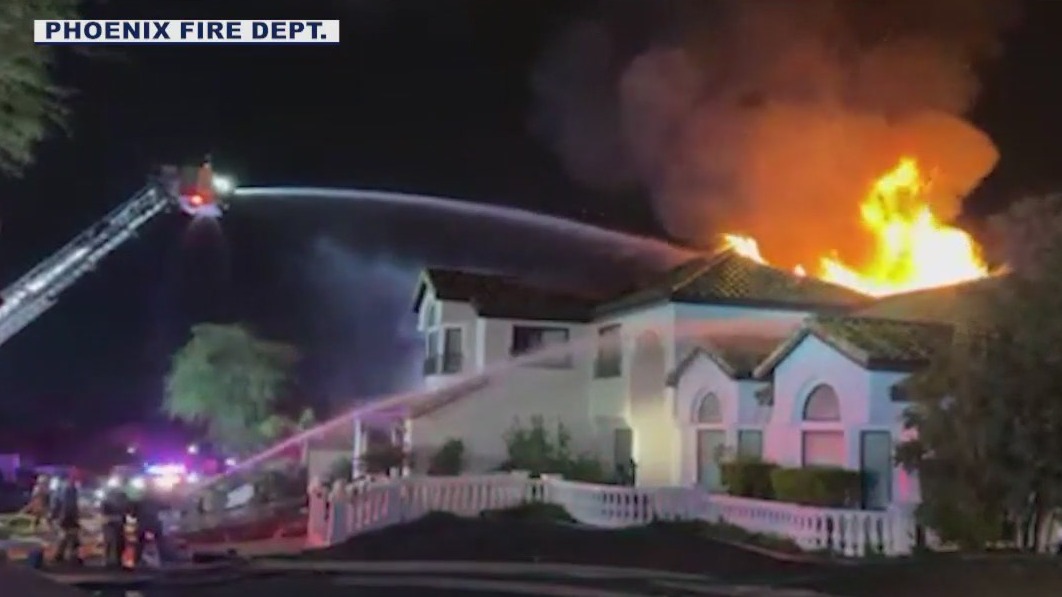
On a recent morning in Phoenix, a house fire escalated into a dramatic event when part of the roof collapsed amid the fierce flames. The incident took place near Desert Willow Drive and Ray Road, leaving a lasting impression on the local community. While the flames consumed much of the home, two residents were forced to leave their familiar surroundings, though miraculously, no one was hurt. The exact cause of the blaze remains unknown, and the situation continues to prompt questions about residential safety in our urban landscapes.
This event has not only stirred local residents but also reignited discussions about building practices and fire safety protocols across the region. Amid the chaos, emergency crews rushed to the scene, demonstrating how vital rapid response can be in averting further tragedy. As we take a closer look at what happened and why, it’s essential to consider both the detailed challenges that led to the collapse and the broader impact such incidents have on our community’s safety standards.
Understanding the Tricky Parts of Residential Fire Safety
The Phoenix house fire highlights several tricky parts when it comes to residential fire safety. One of the most confounding issues is the way in which building elements, like roofs, can fail under duress. Not only are these structures designed to protect us, but they also must contend with unexpected forces during emergencies. When a fire ignites, materials that are generally strong can quickly become weak, leading to dangerous outcomes such as roof collapses.
In many ways, the incident presents some tangled issues:
- Structural design flaws that might not be apparent during routine inspections
- Unexpected behavior of building materials when exposed to high temperatures
- Maintenance oversights that can compound the dangerous bits during emergencies
- Challenges in modern construction codes that sometimes fail to account for extreme conditions
If you take a closer look at these factors, you’ll notice that the little details—like the quality of roof supports, the age of the building, and even previous repairs—can play a key role in determining how resilient a structure is during a fire. Property owners and builders alike need to figure a path that ensures their structures are as safe and reliable as possible under even the most nerve-racking circumstances.
Fire Safety Regulations and the Hidden Details of Code Compliance
The Phoenix incident drives home the need for clear, effective fire safety regulations that address the full range of possible emergencies. Although building codes are designed to minimize risks, they are sometimes riddled with tension because of the unexpected conditions encountered during real emergencies. When regulations were first set, experts often did not predict the tricky parts brought on by modern lifestyles and the rising frequency of extreme weather events and urban fires.
Let’s break down some of the fine points and subtle parts of fire safety regulations through a comparison table:
| Aspect | Standard Requirement | Potential Issue During Fire |
|---|---|---|
| Roof Materials | Flame-retardant materials are often mandated | In extreme heat, even flame-retardant materials may fail if structural support is compromised |
| Building Age | Older constructions are subject to periodic inspections | Inspections might miss hidden wear-and-tear or previous damage impacting stability |
| Maintenance Protocols | Regular upkeep is required to prevent deterioration | Lapses in maintenance can lead to unexpected, nerve-racking failures during emergencies |
| Emergency Exits | Buildings must include multiple, easily accessible exits | Coverage may weaken over time with modifications or renovations, complicating safe evacuation |
This table demonstrates that while regulations are in place to ensure safety, the hidden complexities and small distinctions in enforcement can sometimes leave gaps. This is why continuous updates to standards and frequent reassessments of building conditions are essential. We need to dig into and tackle these complicated pieces to ensure we can better protect lives and property in the future.
Community Impact and the Importance of Public Awareness
Incidents like the roof collapse in Phoenix leave a lasting impact on the community—both emotionally and practically. Neighborhoods are often thrown into a state of tension, as residents process the shock of seeing parts of a home come down in a blaze. Even when no injuries are reported, the disruption to everyday life can be overwhelming for those who witness such events.
Public awareness is critical when it comes to fire safety. Many homeowners might not realize that regular maintenance and improved building practices are essential to reducing risks during emergencies. The Phoenix incident has served as a wake-up call for many people to sort out what they can do to protect their homes and their families. Consider the following bullet list of steps for residents to take:
- Ensure regular inspections of structural components, especially for older buildings
- Invest in updated fire safety systems, including smoke detectors and fire extinguishers
- Review and update evacuation plans with all family members
- Stay informed about local fire risks and emergency measures in the area
- Advocate for stricter local building codes if necessary
These recommendations, while they might seem routine, are super important in maintaining a safe environment. They serve to emphasize that fire safety is not just the responsibility of local authorities but also a community-wide effort. Every resident plays a role in managing their way through these nerve-racking challenges by staying vigilant and proactive.
Responsibility of Authorities and the Role of the Fire Department
When a fire breaks out, the role of emergency services becomes absolutely critical. In the highway of responsibilities, fire departments are on the front line, tasked with both extinguishing flames and preventing secondary incidents like roof collapses. The Phoenix team, while facing an off-putting scenario with flare-ups and structural failures, had to act fast to protect lives and contain the damage.
There are several subtle details to consider regarding the operational capacity of the local fire department:
- Response Time: Quick arrival on the scene is often the difference between a contained fire and widespread damage.
- Training: Firefighters need to be adept at handling unexpected situations, particularly those involving structural failures.
- Equipment: Modern apparatus and protective gear are essential, but they must also evolve with changing fire dynamics.
- Communication: Effective coordination between first responders, local authorities, and building owners is key to a smooth operation.
To further illustrate these roles and responsibilities, here is a summary table outlining the fire department’s core functions during such emergencies:
| Function | Description | Challenges Faced |
|---|---|---|
| Rapid Response | Arriving on the scene quickly to assess the situation | Traffic delays, unforeseen obstacles, or miscommunication can hamper timely intervention |
| Containment | Using water, foam, or other methods to slow or stop the fire | Extremely high temperatures can quickly diminish the effectiveness of standard methods |
| Rescue Operations | Evacuating residents and ensuring everyone is safe | Complex building layouts and collapsed areas increase risks during evacuation |
| Structural Assessment | Determining the stability of a building role during and after the incident | Hidden wear-and-tear may not be visible, making assessments challenging |
These observations underline that while authorities and firefighters work under immense pressure, there are tangled issues behind every emergency response. Establishing robust support systems and ensuring continuous training can help these brave individuals tackle the complicating pieces more effectively during unforeseen disasters.
Construction Standards and the Nitty-Gritty of Building Materials
The dramatic collapse of the roof during the Phoenix fire calls for a closer look at the construction standards employed in residential buildings. A combination of factors—ranging from the age of a building to the materials used in its construction—can all play a role in determining how well a structure withstands the heat and pressure of a fire.
Modern construction practices have evolved significantly over the decades. However, many of the older homes in urban areas like Phoenix still follow standards that were conceived in a different era. These buildings might not have been designed to cope with the intense heat or rapid changes in structure integrity during a fire.
Let’s examine a few critical considerations related to building materials and design:
- Material Durability: Modern flame-retardant materials are far more advanced than those used 20–30 years ago, yet even these mock heroes can fall short if other parts of a structure weaken in a fire.
- Load-Bearing Elements: The hidden supports of a building—such as beams and trusses—must be able to handle not only normal wear and tear but also the sudden and intense stress of a fire.
- Retrofitting Older Structures: Upgrades and repairs are essential, and each new repair must consider how it interacts with existing features to avoid creating an overload of complicated pieces that may lead to unanticipated collapses.
- Fireproofing Techniques: While many new homes include integrated fireproofing measures, the application of these measures in older constructions is often inconsistent, leaving them vulnerable during emergencies.
Understanding these little details is crucial for both homeowners and builders. By tackling the nerve-racking twist and turns of building design and materials, it might be possible to develop strategies that reduce the risk of similar disasters in the future. Both local regulators and building professionals need to work together to figure a path that brings the best of modern advancements to structures that were built under entirely different presumptions.
Adapting Urban Planning Strategies to Enhance Fire Safety
Urban planning plays a subtle but super important role in mitigating the risks associated with residential fires. The layout of neighborhoods, the density of construction, and even the allocation of open spaces can all affect how fires spread and how effectively emergency services can respond. In Phoenix, where many homes are tightly packed and older construction still abounds, urban planners face a series of nerve-racking challenges every day.
Here are some ways urban planning can impact fire safety:
- Street Design: Adequately wide roads and clear emergency lanes can ensure that fire trucks and ambulances are not delayed during rush hour or unexpected obstructions.
- Zoning Laws: Strategic planning around which areas to develop and how can help limit fire spread, particularly by segregating high-risk zones from densely populated neighborhoods.
- Infrastructure Investment: Investing in modern fire prevention systems, such as automated hydrant networks and early warning sensors, can significantly improve emergency response times.
- Community Drills: Regular fire drills and public awareness programs can ensure that residents are better prepared to handle emergencies, reducing the likelihood of catastrophic outcomes.
These strategic approaches are not mere academic suggestions but practical steps that can help steer through the complicated pieces of urban safety planning. Successful urban planning requires both long-term vision and the willingness to address the small, sometimes hidden, details that collectively contribute to a vibrant yet safe community.
Lessons Learned and Policy Recommendations
The roof collapse during the Phoenix house fire serves as a stark reminder of the tangled issues and hidden challenges in ensuring residential safety. This incident, though fortunately not resulting in bodily harm, underscores several pressing lessons and opportunities for improvement in fire safety policy and practice.
Drawing from the observations made, here are some thoughts and recommendations that can be distilled to help address similar challenges in the future:
- Regular Structural Inspections: Both public safety officials and private homeowners need to prioritize reliable, frequent inspections that examine the little details of a building’s integrity. This can help catch any warning signs before they develop into full-blown emergencies.
- Upgrading Building Materials: Retrofitting older constructions with modern, flame-resistant materials is a key consideration. While this may be an intimidating process for some property owners, the long-term benefits in terms of safety far outweigh the initial challenges.
- Enhanced Fire Training: Investing in regular and updated training for firefighters is essential. Given that every emergency can present new twists and turns, continuous training programs that account for the evolving nature of structural fire dynamics are a must-have.
- Improved Communication Channels: In times of crisis, clear communication between fire departments, local authorities, and residents is absolutely critical. Establishing well-integrated emergency communication systems can help all parties quickly figure a path out of challenges during a crisis.
- Urban Policy Reforms: Local government bodies should consider revisiting zoning laws and building codes to ensure they reflect current realities. Policy adjustments might include rethinking fire safety measures in densely built urban areas and encouraging community-wide fire preparedness drills.
These recommendations point to a broader, more collaborative approach in managing the nerve-racking landscape of fire safety. The incident in Phoenix should not be seen as an isolated curious event, but rather as one of many signals that our combined efforts in building, planning, and emergency response need to continuously evolve in response to real-world challenges.
Balancing Personal Responsibility with Regulatory Oversight
While government and authorities have a critical role in setting and enforcing building codes and fire safety regulations, the responsibility does not rest solely with them. Homeowners must also take proactive steps to ensure that their properties are as safe as possible, especially in regions where fires are a recurring hazard.
There are several subtle, yet important, aspects that suggest why personal diligence in managing safety equipment and upkeep is so essential:
- Maintenance Schedules: Regularly scheduled maintenance—such as cleaning gutters, checking for weak roofing components, and ensuring that fire alarms are functional—can help catch issues before they become overwhelming problems.
- Fire Prevention Measures: Installing safety devices like sprinklers and smoke detectors is not just about meeting minimum standards but providing extra layers of precaution in a tense situation.
- Emergency Planning: Every family should have an emergency evacuation plan, knowing in advance where to go and how to respond when the unpredictable becomes reality.
- Awareness of Local Risks: Being informed about past incidents and understanding the risks specific to one’s locality can also steer residents to make better safety decisions.
Engaging in practices that support safety creates a culture of vigilance that complements regulatory efforts. Both sides—those in positions of authority and individual residents—are interdependent in the shared mission of safeguarding lives and property.
A Closer Look at the Role of Media in Shaping Public Perceptions
The fire incident in Phoenix was broadcast and widely discussed across local media channels, and this coverage plays a unique role in shaping public opinion and policy. Media outlets, whether on television, online platforms, or social media, help to highlight the nerve-racking challenges faced by communities during emergencies, thereby influencing both public sentiment and legislative priorities.
Media coverage accomplishes the following:
- Raising Awareness: By detailing incidents and their repercussions, news stories make residents more aware of the potential risks in their neighborhoods.
- Informing Policy: Persistent reporting on fire safety issues can exert pressure on local governments to examine their protocols and invest in better fire prevention measures.
- Fostering Accountability: Journalistic inquiries and public scrutiny force responsible parties to address the small distinctions and hidden complexities that might otherwise be overlooked.
- Encouraging Preparedness: Stories of close calls and disasters often serve as a wake-up call for communities to adopt better practices for emergency planning.
It’s worth noting that balanced media coverage can navigate the tricky parts of reporting on fire incidents by mixing factual, on-the-ground updates with broader analyses of systemic issues in building and urban management. In doing so, it empowers the public to take informed steps toward making their environments safer and more resilient.
Examining Broader Implications for Urban Safety and Resilience
The Phoenix roof collapse, though localized, has broader implications for urban safety. Cities around the world face the challenges of aging infrastructure, rapid urbanization, and increasingly unpredictable environmental conditions. As urban populations grow, the pressure to make buildings both efficient and extraordinarily safe intensifies.
Urban resilience is influenced by several factors, each representing a subtle yet essential part of a city’s overall safety framework. Key areas that demand attention include:
- Infrastructure Upgrades: Investing in modern materials and construction methods is indispensable, especially in older neighborhoods where the risk of structural failures remains high.
- Emergency Response Integration: Cities should work towards integrated emergency management systems that connect fire departments, police, medical services, and local government bodies.
- Community Engagement: When residents are actively involved in disaster planning and preparedness efforts, cities perform better during unexpected crises.
- Resilience Planning: Urban planners need to factor in the fine shades of risk—from weather extremes to potential structural weaknesses—in the blueprint of future development.
By taking a proactive stance in these areas, urban areas can not only avoid the pitfalls that led to incidents like the Phoenix fire but also pave the way for a more secure, well-prepared future. It is essential for policymakers to view these challenges not as isolated issues, but rather as interconnected components in a citywide effort to address the overall safety of our built environments.
Reflecting on the Emotional and Societal Impact
Beyond the physical loss and material damage, events such as the Phoenix house fire inflict an emotional toll on affected communities. The sudden fear, uncertainty, and shock experienced by neighbors underscore the importance of a compassionate response—not only from authorities but also from community members themselves.
There are several ways in which society can help manage the mixing of emotional and practical repercussions during such disasters:
- Support Networks: Establishing community support groups can provide both emotional solace and practical advice for those impacted by fires or other emergencies.
- Public Forums: Creating forums where local residents, experts, and officials can discuss their concerns and propose solutions leads to a more united and prepared community.
- Mental Health Resources: Offering counseling and psychological support to those affected helps them recover not only physically but also emotionally from nerve-racking events.
- Educational Workshops: Regularly organizing fire safety seminars and disaster preparedness workshops can empower residents to better understand and manage emergencies.
This holistic approach addresses both the tangible and intangible aspects of disaster recovery. By listening to the voices of those on the ground and integrating their feedback into emergency planning, communities can better recover from major incidents and build resilience for the future.
Looking Forward: Policy Change, Community Engagement, and New Possibilities
The story of the Phoenix roof collapse can be seen as a turning point—an opportunity to reexamine our current methods and lay the groundwork for improved safety protocols. While the immediate aftermath focused on the destruction and disruption, it is important to recognize that such events can serve as catalysts for change.
Future policy changes might include:
- Enhanced Building Codes: Revising and updating codes to reflect the latest understanding of how fire impacts structures can lead to the use of better materials and designs.
- Stronger Enforcement: Regular inspections and stricter penalties for non-compliance would ensure that the nervous, full-of-problems issues in older buildings are addressed promptly.
- Innovation Incentives: Providing incentives for homeowners and builders to invest in state-of-the-art fire safety measures can lead to a market driven by safer, more resilient constructions.
- Interagency Collaboration: Improving the collaboration between city planners, fire departments, and construction professionals can streamline the process of updating safety measures and emergency protocols.
In addition to policy changes, community engagement remains a must-have element of urban safety. By taking small steps to educate neighbors, share resources, and advocate for better emergency systems, residents can transform a tense, isolated incident into a building block for a safer tomorrow. The ripple effect of such community-driven initiatives can sometimes lead to significant, positive changes in urban safety standards.
Conclusion: Embracing the Challenge for a Safer Future
The Phoenix fire incident, marked by the dramatic collapse of a roof, offers a multifaceted lesson on the small distinctions and hidden complexities that can define the outcome of an emergency. It shines a light on the tricky parts of residential fire safety, the challenges faced by emergency services, and the broader societal impact that such disasters can have—from structural vulnerabilities to emotional trauma.
While the specifics of each fire incident may vary, the collective experience points to one clear takeaway: ensuring the safety of our homes and communities requires a concerted effort from every stakeholder involved. Homeowners need to take charge of regular maintenance and employ updated fire safety measures. Simultaneously, local authorities must continue to work through the tangled issues of policy enforcement and urban planning, while emergency responders must stay ever-ready to figure a path through nerve-racking situations.
In reflecting on this incident, it becomes evident that while the challenges are many and the issues complicated, the answers lie in collaboration, updated standards, and vigilant community efforts. Through a balanced mix of proactive maintenance, innovative construction techniques, and meaningful policy reforms, we can address those hidden details and fine points that determine whether a structure withstands the test of extreme conditions.
As we move forward, let the incident in Phoenix remind us that every building, every community—and indeed every individual—has a role to play in crafting a safer, more resilient environment. Even when faced with a collapsing roof, the strength of a community can be found in its capacity to learn, adapt, and rebuild. With the right mix of precaution, preparedness, and passion for safety, the twists and turns of future challenges can be met with confidence and a renewed spirit for safeguarding the places we call home.
Originally Post From https://www.fox10phoenix.com/video/1650982
Read more about this topic at
Report: New details released in Phoenix warehouse …
Worker unaccounted for after roof collapses on Phoenix …
"High-quality editorial rigor remains the essential compass navigating global complexity and market volatility."

Editor
Senior Staff Editor & Columnist covering technology, finance, and global policy at NewsMax Pro.
View All Articles By Editor →Related Coverage & Stories

Arizona Sports Assault from Misdemeanor to Felony
Aggravated Assault at Arizona Sporting Events: A Closer Look Large sporting events in Arizona are a source of excitement, community spirit, and,…
Arizona Assault Charges Simple Vs Aggravated
An Opinion Editorial on Assault Charges in Arizona: Simple Versus Aggravated In Arizona, the legal system’s way of handling assault cases is…

Modifying Your Parenting Plan in Arizona
Modifying Parenting Plans in Arizona: A Closer Look at the Process and Its Challenges Arizona’s family law landscape is filled with twists…