
William Hines Sentencing: An In-Depth Perspective on Teen Justice and Community Safety
The recent sentencing of William Owen Hines to 17 years in prison has stirred a mix of emotions and debates in our community. In this opinion editorial, we take a closer look at the case of Hines, the violent act that led to Preston Lord’s tragic death, and the tangled issues surrounding juvenile justice, accountability, and the possibility of redemption. This case, while specific, opens up a broader conversation on how society handles teen violence and the challenges of steering through a legal system that is full of problems and tiny twists.
Unpacking the Hines Case: A Closer Look at the Charges and Plea
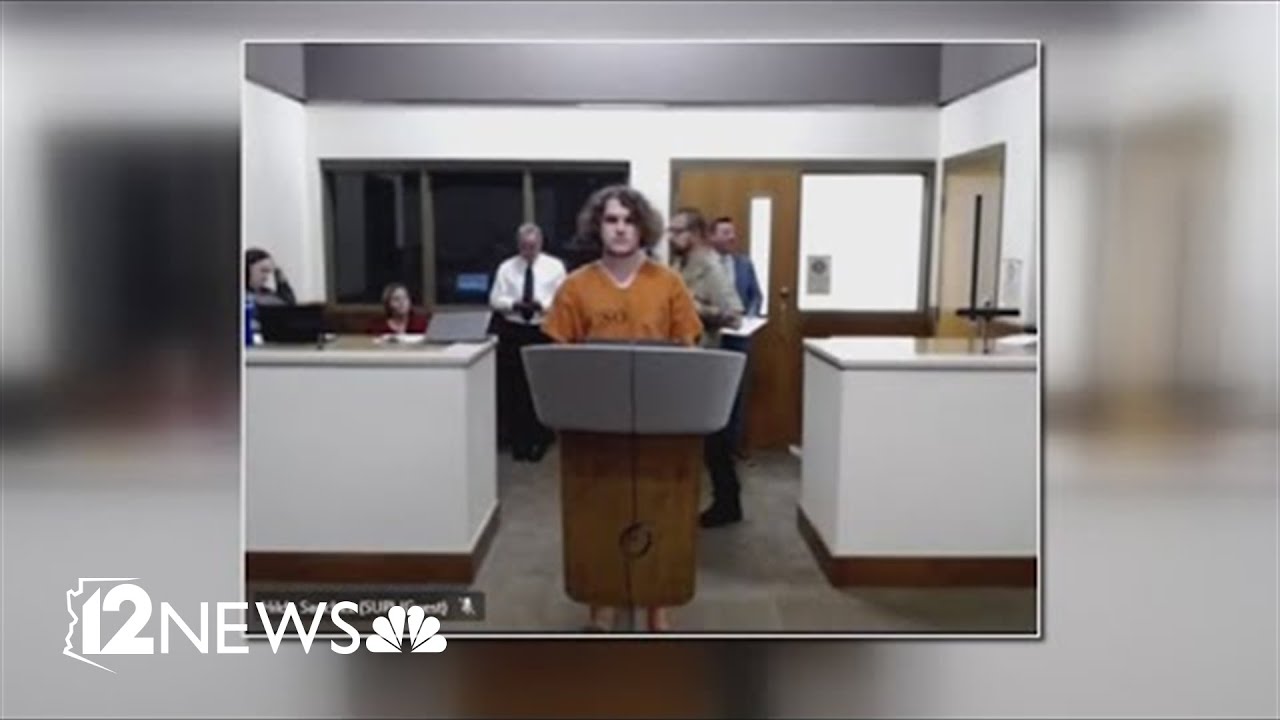
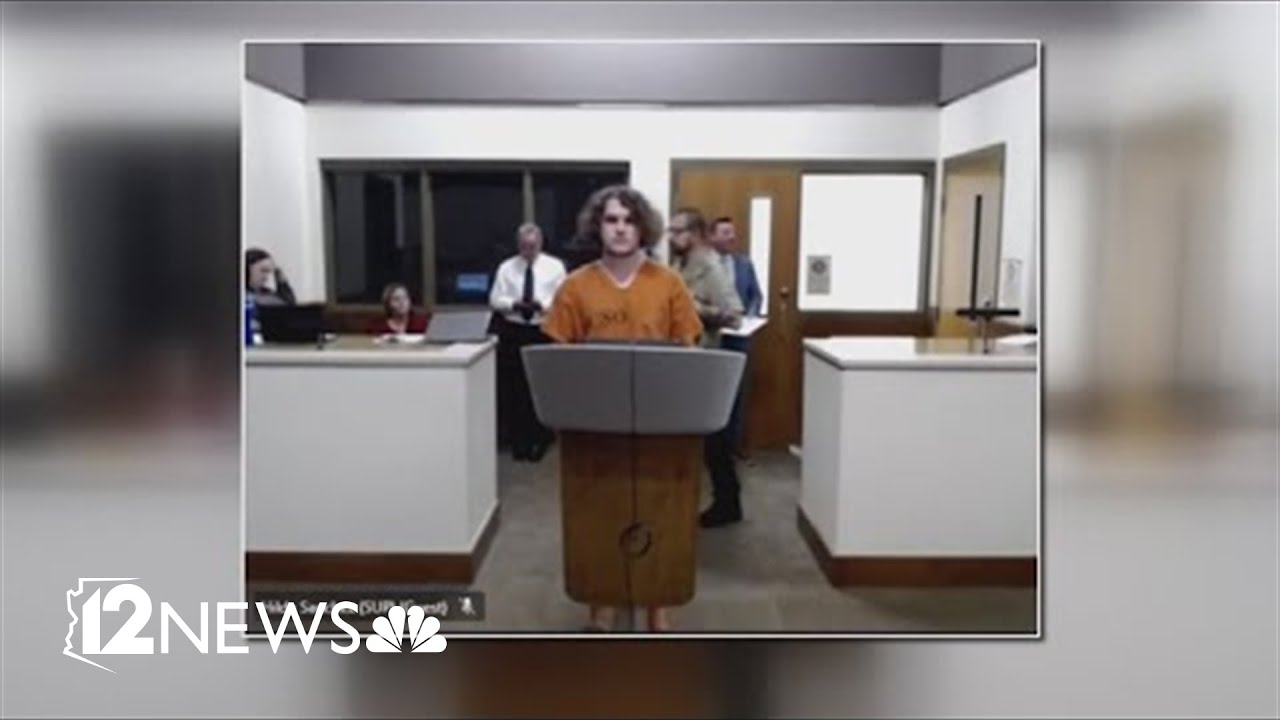
Hines, now 19 years old, changed his plea in March, pleading guilty in four separate cases that include the death of Preston Lord—a case that captured public attention due to its shocking nature and the violent circumstances surrounding it. His sentencing was split between a five-year term for an aggravated assault unrelated to Lord’s death and a 12-year term for manslaughter in Lord’s death. These combined sentences total 17 years in prison, with time served credited toward his sentence.
This outcome was driven by a plea agreement that originally allowed for a maximum sentence of 21 years, a figure recommended by prosecutors. Hines’s lawyer, Rachel Golubovich, highlighted mitigating factors during the hearings, such as his youth, his fear of extended incarceration, and potential treatment for his struggles with alcohol. However, the state maintained that Hines’s involvement in the brutal attack was a decisive factor that left little room for reducing his responsibility. This division in perspectives underscores many of the tricky parts and tangled issues that come with sentencing in cases involving juvenile offenders who are charged as adults.
Historical Context: Exploring Hines’s Pattern of Violence and Its Implications
Looking into Hines’s past reveals a series of events that indicate a sustained pattern of violent behavior. His criminal history began in the juvenile justice system in November 2022, and early incidents included shoplifting, aggravated assaults, and even vehicular aggravated assault, each of which adds another layer to understanding his character and potential risk to society.
A careful dive into the timeline of events shows how these violent outbursts may have set a dangerous precedent for Hines. For instance, just 10 days after an assault incident at a well-known parking lot in Gilbert, he was again implicated in another violent encounter caught on video. In that instance, the video depicted him striking a victim while the victim was pinned against a car. At a time when such behaviors are viewed as red flags for further violence, these recurring patterns made his case both a personal tragedy for those involved and an alarming sign for authorities tasked with public safety.
Patterns of Behavior and Community Impact
Hines’s continuous run-ins with the law highlight:
- The recurring nature of his violent behavior
- The potential influence of alcohol and his ongoing struggles with sobriety
- The risk that his early encounters with the criminal justice system might have set the stage for more severe incidents
The evidence, including photos allegedly showing Hines with a vodka bottle behind the wheel and holding a semi-automatic pistol, further deepens the community’s concern regarding the influence of alcohol and the dangerous behaviors that may continue during his incarceration. While his attorney emphasized Hines’s expressions of remorse, these conflicting details illustrate the small distinctions that complicate a straightforward understanding of the case.
Challenging the Legal Process: The Fine Points of Juvenile Justice and Adult Sentencing
The transition from the juvenile justice system to being tried and sentenced as an adult is a nerve-racking journey for many young offenders. In Hines’s case, this path was made even more complicated by the severe nature of the incident that led to Preston Lord’s death. The court had to consider not only the immediate circumstances of the attack but the aggregate of Hines’s criminal history.
This transition raises several tough questions about how the legal system should balance the potential for rehabilitation with the need to protect the public. Sorting through the maze of legal responsibilities, the court had to weigh mitigating factors against the dangerous outcomes of Hines’s repeated behaviors. The decision to sentence him to 17 years—a number that reflects both accountability and a nagging possibility for redemption—has left many wondering if our system is effectively addressing the underlying social issues that fuel such incidents.
Comparing Similar Cases: Lessons and Legal Precedents
There are noteworthy similar cases that help put Hines’s sentencing into context. In many instances involving juveniles charged as adults for violent crimes, the courts have had to manage numerous tangled issues such as:
- The impact of a troubled youth on future criminal behavior
- How the legal system handles expressions of remorse and attempted rehabilitation
- The broader community’s expectations for justice versus the potential for reform in young offenders
Legal scholars have pointed out that while a severe sentence might serve as a deterrent, it may also close the door on opportunities for a young individual to reintegrate into society and rebound from a history of poor decisions—a debate that remains on edge in many American communities.
Societal Reflections: A Community Caught Between Grief and the Need for Justice
The Preston Lord case has left a lasting impact on the local community, who mourn the loss of a life that many viewed as full of promise. Preston was attacked and fatally injured while leaving a Halloween party, an event that has since become emblematic of the broader challenges facing many neighborhoods where violence runs unchecked.
The community response has been mixed. On one hand, Preston Lord’s family has expressed their reluctance to see justice fully served through overly harsh measures, acknowledging the lengthy and bumpy road they now face. On the other hand, many residents see Hines’s actions as reinforcing the need for immediate and strong measures to protect society from individuals who have repeatedly shown a capacity for violence.
These conflicting views point to the complex bits that exist in almost every high-profile case of teen violence. Community members are forced to figure a path that acknowledges their grief for a lost loved one while also contemplating the potential for transformation in a young offender. It is a debate filled with subtle details and modest challenges that demand a careful balancing act between punishment and the possibility of corrective action.
Community Safety Versus Rehabilitation: Pinpointing the Core of the Debate
The case of William Hines invites a broader discourse on several key issues:
- Accountability: How do we ensure those who commit violent crimes are held responsible without entirely stripping away their chances for personal reform?
- Public Safety: What measures can be enacted to protect communities from repeat offenses, especially when the offender has shown a pattern of dangerous behavior?
- Rehabilitation: To what extent should a juvenile’s early missteps be viewed as opportunities for reform rather than as definitive markers of a lifelong criminal trajectory?
These points are critical as society continues to wrestle with the real-life implications of sentencing young offenders. Striking a balance between preserving community safety and recognizing the potential for personal redemption is one of the most intimidating tasks facing the criminal justice system today. It forces policymakers, judges, and community members to take a closer look at how best to address the underlying twisted issues that lead to violence.
Legal and Moral Implications: The Hidden Complexities of Consent and Remorse in Violent Acts
One of the most nerve-racking aspects of this case is the legal and moral debate surrounding consent, responsibility, and expressions of remorse. Hines’s courtroom confession, in which he admitted to striking Preston Lord and expressed regret, adds a delicate shade to the otherwise stark legal landscape. His apology—while genuine in its tone—has not satisfied all critics, particularly those who argue that remorse should have little bearing on the severity of the punishment given the irreversible nature of the consequences.
The state’s filing also suggested a danger to the community, pointing to evidence of ongoing alcohol use as well as alleged consumption of “jail alcohol.” This detail, along with mysterious phone calls made from jail, raises more questions than answers about Hines’s commitment to change. Is it possible for someone who has already shown repeated disregard for public safety to reform, or does the evidence point to a pattern that is simply too loaded with issues to untangle?
These are small distinctions and confusing bits that legal professionals and community members must consider. While Hines’s admission of guilt and his apology might be seen as a step toward personal responsibility, the heavier evidence of past misdeeds suggests that the situation is far from resolved. The judgment—the 17-year sentence—thus becomes not only a punitive measure but also a statement about what society perceives as acceptable in the context of repeated violent behavior.
The Role of Remorse in Sentencing Decisions
Court documents and public statements indicate that expressions of remorse played a role in the legal strategy for Hines. His attorneys read recorded phone calls in which he expressed sadness over his actions, suggesting that even in the midst of violent wrongdoing, there is room for empathy and a potential path to rehabilitation. However, the state argued that such expressions do not mitigate the inherent danger posed by a young man with a history of violent and alcohol-fueled behavior.
This fine balancing act—between accepting remorse and understanding the risk to public safety—is one of the little details that continues to complicate sentencing in cases that involve not just legal, but also moral, dimensions. It underscores the need for legal frameworks that can both ensure accountability and also leave room for reform, especially when dealing with individuals who are still in the early stages of their adult lives.
Youth, Alcohol, and Violence: Examining the Social Factors at Play
The case of William Hines is not an isolated incident but rather a symptom of broader social challenges that are both overwhelming and layered with issues. His history of violent behavior—exacerbated by alcohol use—points to underlying problems that extend far beyond a single case of manslaughter. To fully understand the implications of his sentencing, we must take a closer look at how alcohol and youth-related issues contribute to a cycle of violence that often seems impossible to break.
Alcohol consumption, particularly among young people, has been a consistent factor in many violent encounters. Photos and records that suggest Hines was seen with a vodka bottle behind the wheel or potentially engaging in illegal alcohol use while in custody highlight the kind of dangerous environment in which many teen offenders find themselves. The coupling of alcohol with a predisposition toward violent behavior is a toxic mix, complicating both the legal process and the community’s efforts to address these issues at their root.
Social Challenges and Policy Implications
A thoughtful review of this case compels us to consider several core issues:
- Prevention Programs: Are there enough community initiatives aimed at educating youth about the risks of alcohol and violence?
- Early Intervention: How can schools and local organizations step in earlier when they notice warning signs such as repeated aggression?
- Legal Reforms: Should there be a rethinking of how the justice system treats young offenders, particularly when substance abuse is involved?
These factors are super important in forming a comprehensive strategy that tackles the root of the problem rather than merely addressing its symptoms. While Hines’s sentence reflects a decision based on his individual actions, it also serves as a stark reminder of the systemic issues that need further attention and innovative policy solutions.
Rehabilitation Versus Retribution: Striking a Delicate Balance in an Imperfect System
At its core, the Hines case forces us to confront the age-old debate of rehabilitation versus retribution. For many, the harsh sentence speaks to an essential need to ensure that those who commit violent crimes face consequences that protect society. Yet, it also raises the question of whether a lengthy prison term, particularly for someone so young, leaves any room for genuine rehabilitation.
This challenge is compounded by the seemingly conflicting goals of modern justice: on one side, the imperative to punish wrongdoers severely; on the other, the recognition that early intervention may allow for reformation and a second chance. In Hines’s case, the evidence of his remorse and the mitigating factors presented by his legal team suggest there might still be a possibility to steer through his troubled past toward a future free from violence. But the strict legal consequences imposed by the court paint a different picture: one in which the scales of justice tip heavily toward retribution.
Key Considerations in the Debate
When weighing rehabilitation against retribution, a few core points come to mind:
- Defining Success: Is a successful outcome one where the offender is never heard from again, or one where they eventually transform into a productive member of society?
- Long-Term Safety: How do we balance an individual’s right to reform with the community’s need for lasting protection?
- Role of the Penal System: Should prison serve purely as a place of punishment or can it be reimagined as a hub for structured rehabilitation programs?
These considerations form the framework in which society must assess cases like Hines’s. While the verdict clearly sends a message about the severity of his actions, it also leaves open a conversation about what could be done to address the recurring cycle of violence among young offenders.
Looking Forward: Policy Recommendations and Community Engagement
If the case of William Hines is to serve as a learning moment, then policymakers, community leaders, and legal professionals need to consider a series of approaches that address the root causes of violent behavior among youth. The ultimate goal should be to reduce the recurrence of such events while still delivering just outcomes for all involved parties.
Strategies for Enhancing Youth Intervention Programs
Several actionable steps can be identified to manage these tangled issues more effectively:
- Strengthening Early Intervention Efforts: Schools, community centers, and local law enforcement should work together to spot signs of violent tendencies and substance abuse at an early stage.
- Investing in Rehabilitation Programs: Enhancing access to anger management classes, substance abuse treatment, and mental health services for at-risk youths could help reduce the likelihood of future violent incidents.
- Community Outreach Initiatives: Collaborative efforts involving local governments, non-profits, and families can create supportive environments that steer young people away from the path of violent behavior.
Each of these recommendations is critical in laying a foundation that might prevent future tragedies—a foundation that not only protects communities but also offers hope to those who might otherwise slip through the cracks of an unforgiving system.
Improving Legal Frameworks for Juvenile Offenders
Current legal policies often provide few alternatives to a prison sentence once an offense is committed. However, there is growing recognition that young offenders should be given additional opportunities for ultimate reform. Doing so would involve:
- Re-examining sentencing guidelines to allow for more flexible outcomes in cases involving teenagers.
- Incorporating restorative justice practices that facilitate dialogue between offenders and victims’ families.
- Providing ongoing monitoring and support during and after incarceration to encourage sobriety and reduce the risk of reoffending.
This multi-layered approach could help address both the immediate need for justice and the long-term goal of community upliftment—a goal that balances accountability with the possibility of change, even when the twists and turns of reality seem overwhelming.
The Broader Ethical Dilemma: Can a Young Life Be Redeemed?
The question of whether a young offender like Hines can truly be rehabilitated raises deeper ethical considerations. His case prompts us to reflect on the nature of mistakes made during youth, the environment that fosters such behavior, and the degree of personal responsibility that should follow as these individuals transition to adulthood.
Many social theorists argue that the road to redemption is paved not only with punishment but also with opportunities for growth. If society is to find its way through such complicated pieces of modern justice, it must consider whether a life marred by repeated errors need be condemned entirely or if it can instead be given a super important chance to become an example of transformation.
This ethical dilemma is laden with issues that extend far beyond the individual case. It challenges our view of justice, the limits of punishment, and the criteria by which redemption is granted. In Hines’s case, his expression of remorse and his own admission that the events have continually haunted him may hint at an inner conflict—a struggle between the desire for a new beginning and the weight of a past filled with misguided choices.
Ethical Considerations for a Fair Justice System
For a society built on fairness and compassion, several elements need to be incorporated into the justice process:
- Transparency: Legal proceedings should clearly outline how decisions are made and how mitigating factors are weighed.
- Flexibility: A rigid sentencing system may fail to account for the complex interplay of factors that drive youth to commit violent acts.
- Support Systems: Measures should be in place to help reintegrate young offenders into society, assuming they can convincingly demonstrate a change of heart and behavior.
These ethical considerations, though not always easy to implement, represent a framework by which justice can be made more balanced and humane, even when handling cases that seem overwhelming and loaded with issues from the start.
How the Media Shapes Our Perception of Juvenile Justice
In the age of instant news and social media, cases like Hines’s are not just legal events—they become cultural phenomena that resonate deeply with the public. Media coverage has a powerful influence on collective perceptions of both justice and the challenges faced by young offenders. The way outlets report on such cases, including detailed presentations of violent incidents and personal failings, can affect public opinion and, in turn, policy decisions.
News reports by organizations like ABC15 have documented every twist and turn of Hines’s case, providing the public with raw details that evoke strong emotional responses. Whether it is the chilling video evidence of his previous assaults or the stark glimpses of his behavior under the influence of alcohol, the media’s role in shaping this narrative cannot be understated.
Balancing Sensationalism and Constructive Reporting
While media coverage is essential for transparency and accountability, it is important to steer clear of sensationalism that can cloud more constructive discussions. A balanced portrayal should focus on:
- Contextual Analysis: Explaining the background and broader trends in teen violence rather than simply highlighting gruesome details.
- Policy Implications: Discussing what can be done to prevent similar cases in the future, rather than focusing solely on punishment.
- Humanizing All Involved: Acknowledging the multifaceted nature of both the victims and the perpetrators, shifting the narrative from one of pure retribution to one of social understanding.
In doing so, the media can help guide public discourse towards solutions rather than perpetuating fears. This balanced approach can be a stepping stone toward more nuanced legal and social reforms that address the little details and subtle parts of a deeply loaded issue.
A Call for Community Reflection and Policy Overhaul
As we reflect on the case of William Hines and the tragic death of Preston Lord, it becomes clear that we are dealing with far more than an isolated incident of teen violence. We are witnessing the culmination of a series of events, personal missteps, and broader systemic challenges that require us to re-examine our approaches to youth, crime, and rehabilitation.
The current legal system—and the policies that feed into it—must contend with not only the immediate need for public safety but also the long-term goal of transforming our approach to juvenile offenders. This means taking a closer look at how early interventions could potentially prevent the escalation of violent behavior, thus sparing communities from the nerve-racking and off-putting consequences witnessed in cases like Hines’s.
Practical Steps for Policymakers and Community Leaders
In our quest for a better system, several concrete actions can be proposed:
- Enhanced Youth Mentorship Programs: Investing in programs that connect at-risk youths with mentors who can help guide them through the twists and turns of adolescence.
- Improved Mental Health Services: Allocating resources to provide counseling and mental health support, which are crucial for students and young adults wrestling with emotional turmoil.
- Community Policing Initiatives: Encouraging law enforcement to work closely with local schools and community centers to detect early warning signs of dangerous behavior, thus allowing intervention before issues spiral out of control.
- Judicial Reforms: Rethinking sentencing guidelines to allow for alternative rehabilitation methods that are better suited for young offenders, with an emphasis on restorative rather than solely punitive measures.
Each of these steps is not only super important for mitigating future violence but also critical for helping our society reframe our vision of justice. Instead of merely punishing individuals for their misdeeds, our aim should be to find your way toward comprehensive solutions that benefit everyone—both victims and perpetrators alike.
Conclusion: Learning from Tragedy to Forge a Safer Future
The sentencing of William Owen Hines is a stark reminder of the devastating effects of youthful violence and the long-lasting impact such tragedies have on entire communities. It forces us to look at not only the legal decisions made in the courtroom but also the broader social factors that contribute to these situations—alcohol abuse, inadequate intervention, and a justice system often struggling with its own limited tools.
In reflecting on this multifaceted case, it is clear that the path forward must entail more than just punitive measures. We must figure a path that addresses the nerve-racking challenges of rehabilitating young offenders, while still ensuring that communities are safeguarded against the recurring threats of violent behavior. This delicate process of balancing accountability and the possibility of redemption is riddled with tension, yet it remains one of the most essential endeavors in our society today.
Our legal system, our policymakers, and indeed our communities as a whole must work together to craft solutions that acknowledge the hidden complexities of human behavior and the small distinctions that determine whether a young life can indeed be redeemed. By focusing on early intervention, improved judicial practices, and community-oriented reforms, perhaps we can prevent future tragedies similar to the one that claimed Preston Lord’s life. Only by working through these messy, complicated pieces can we hope to build a system that is fair, effective, and truly conducive to a safer future for everyone.
In closing, the Hines case is more than an isolated incident of criminal justice—it stands as a mirror reflecting our society’s ongoing struggle with youth, violence, and the quest for meaningful change. The lessons learned here should not only inform our current legal practices but also drive innovative policy recommendations that pave the way for a future in which accountability and redemption are not mutually exclusive, but are part of a comprehensive strategy to nurture troubled lives into productive ones.
It is our responsibility as a community to ensure that these conversations lead to real change—a change that honors the memory of those lost, supports the rehabilitation of the misguided, and ultimately fosters lasting safety and understanding across all layers of society.
Originally Post From https://www.abc15.com/news/local-news/investigations/teen-violence/suspect-in-the-preston-lord-case-william-hines-to-be-sentenced
Read more about this topic at
Youth Tried as Adults
Home – Campaign for the Fair Sentencing of Youth | CFSY %
"High-quality editorial rigor remains the essential compass navigating global complexity and market volatility."

Editor
Senior Staff Editor & Columnist covering technology, finance, and global policy at NewsMax Pro.
View All Articles By Editor →Related Coverage & Stories

Arizona Sports Assault from Misdemeanor to Felony
Aggravated Assault at Arizona Sporting Events: A Closer Look Large sporting events in Arizona are a source of excitement, community spirit, and,…

Arizona Assault Charges Simple Vs Aggravated
An Opinion Editorial on Assault Charges in Arizona: Simple Versus Aggravated In Arizona, the legal system’s way of handling assault cases is…

Modifying Your Parenting Plan in Arizona
Modifying Parenting Plans in Arizona: A Closer Look at the Process and Its Challenges Arizona’s family law landscape is filled with twists…